
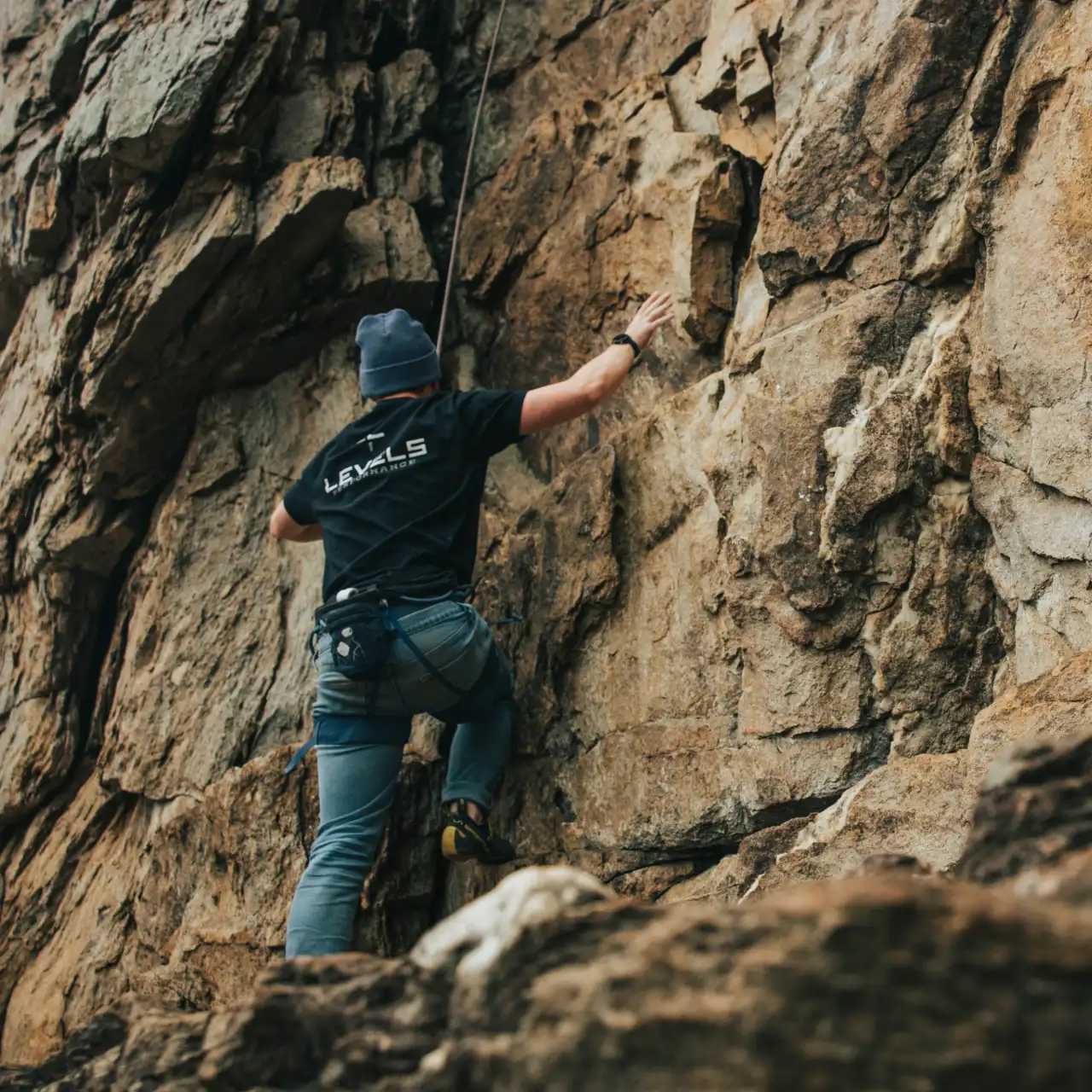
Rock Climbing Basics
An introductory course in rock climbing and mountain scrambling for beginners.
Beginner
Granite Peak, NV
3 Days



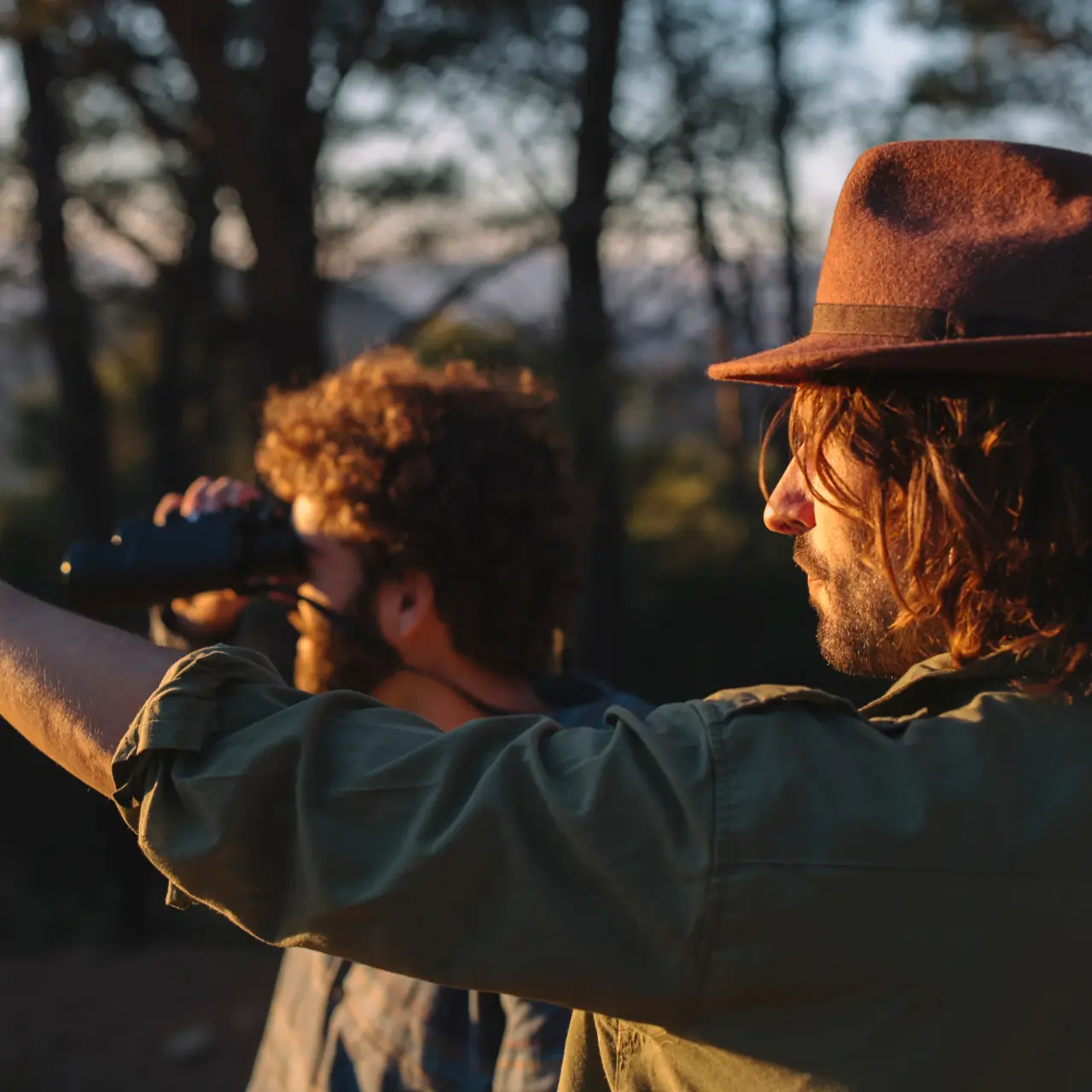
Hunter Gatherer is seven days spent learning how human beings actually fed themselves for the overwhelming majority of our history. It covers tracking, foraging, and ethical hunting as a single connected discipline rather than three separate hobbies, because in practice they are inseparable: you cannot hunt what you cannot track, and you cannot track without understanding what the animal is eating and why it moves where it does. The course is deliberately slow, observational, and grounded in the ecology of the Blackridge country, and students consistently describe it as the week that changed how they see every landscape afterwards.
Tracking forms the spine of the week: print identification, gait patterns, ageing a track, and the broader category of sign that includes browse marks, rubs, scat, disturbed litter, and travel corridors. Foraging runs alongside it, covering positive identification of wild edible and medicinal plants in the region, the families worth learning first, the toxic look-alikes that matter most, and harvesting practices that leave a stand healthier than you found it. The hunting component addresses stalking and approach, wind and thermals, shot placement, field dressing, and the full processing of game, taught with an emphasis on competence because a clean, ethical outcome depends entirely on preparation.
The first two days are almost entirely observational, spent moving slowly through varied terrain building a baseline of what normal looks like so that anomalies start to stand out. Days three and four introduce active tracking exercises, following real trails across changing substrate and practising the discipline of losing a track and recovering it rather than guessing. Foraging modules are threaded throughout rather than confined to a single session, since plants are best learned in the places they actually grow. The final days bring everything together in extended field problems where students work in pairs on a single objective from first sign through to processing, with instructors observing rather than directing.
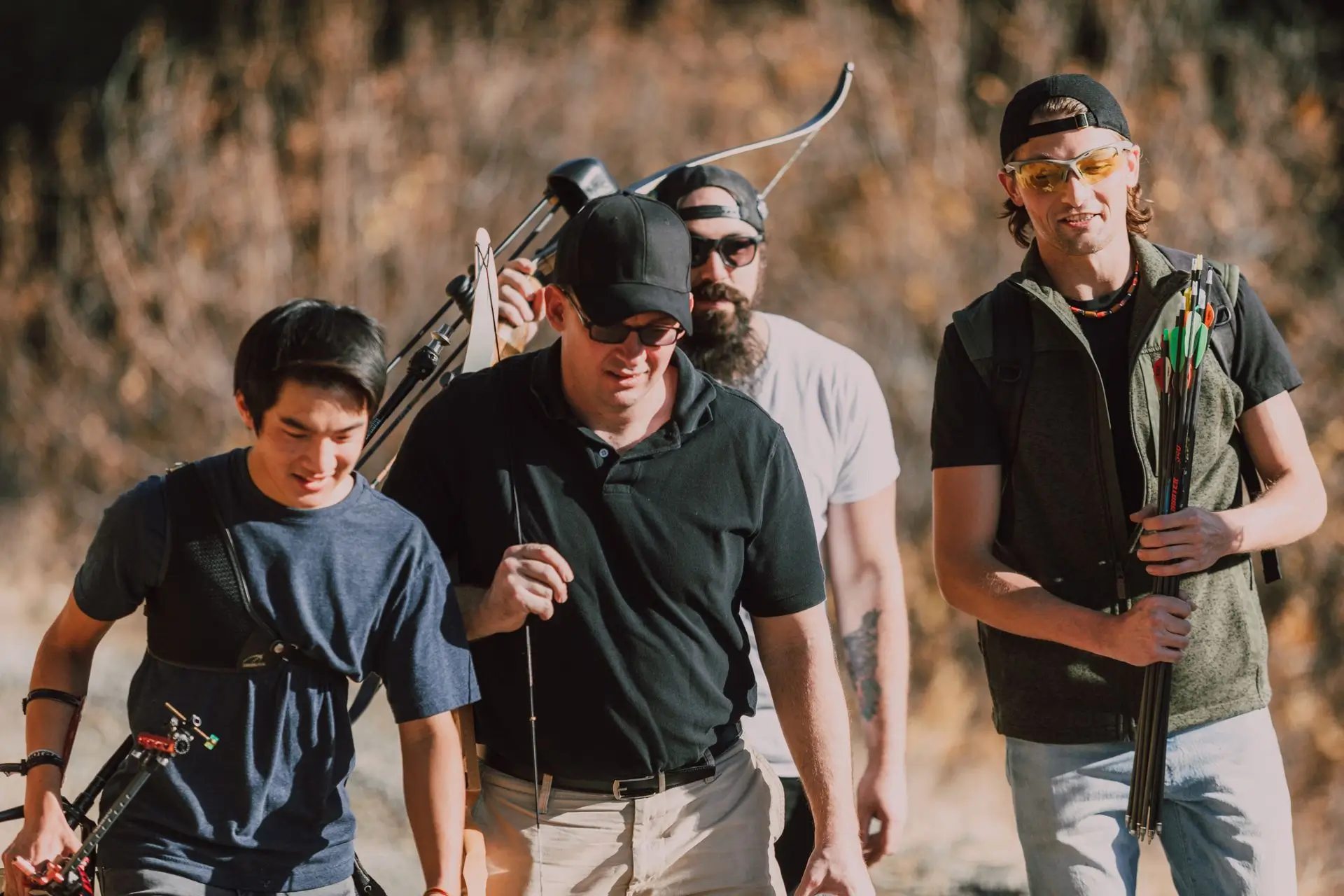
Blackridge sits where three habitat types meet, and that transition is exactly why the course is held there. Within a single morning's walk you can move from dense timber into open meadow and down into a wet drainage, which means the ground itself changes character several times a day and you learn to read prints in duff, dust, mud, and gravel rather than becoming fluent in only one substrate. The area also holds a genuinely diverse resident population, so the sign you find is real rather than staged, and the plant communities shift enough with aspect and elevation to make the foraging modules considerably richer than a single-habitat site would allow.
This is an intermediate course and assumes you are comfortable hiking five or more miles a day over uneven ground, often slowly and often stopping. No prior tracking or hunting experience is required, and a meaningful number of students arrive with none at all. It suits hunters who want to replace luck with skill, wildlife photographers and naturalists who want to find animals rather than wait for them, and people drawn to traditional skills for their own sake. Patience matters far more than fitness here, and the students who get the most out of the week are usually the ones most willing to stand still.
Tracking is not about finding the animal. It is about learning to look at a landscape closely enough that it stops being scenery and starts being information.
You will leave able to identify the common species of the region from print and gait, to age a track with reasonable accuracy, to follow a trail across changing ground, to positively identify a working set of regional edible and medicinal plants, and to field dress and process game competently. Beyond the technical, the week builds a way of moving through country that most people never acquire: slower, quieter, and considerably more observant. Students receive a certificate of completion, a regional plant reference compiled during the course, and a set of habits that keep developing every time they go out afterwards.
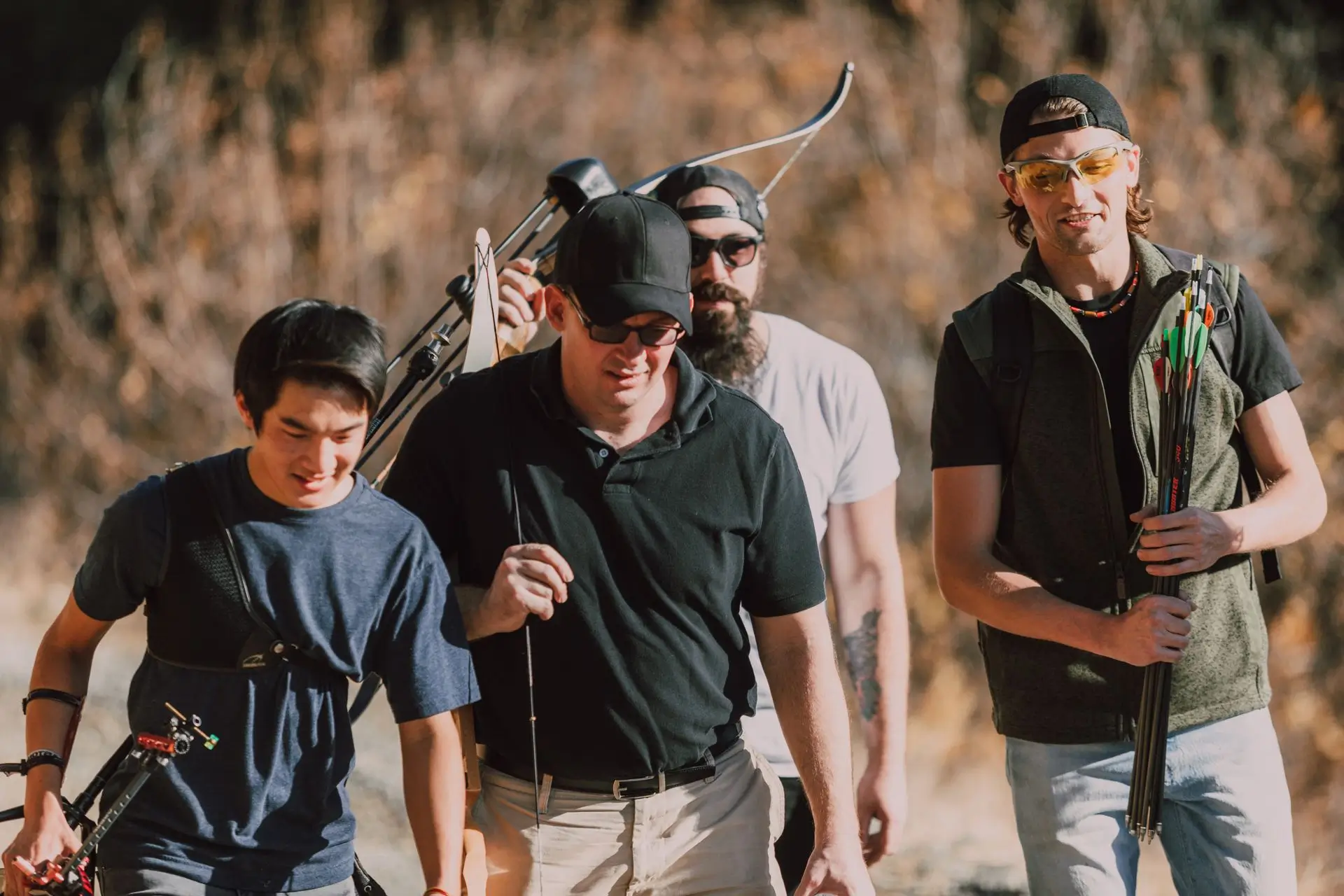
An introductory course in rock climbing and mountain scrambling for beginners.
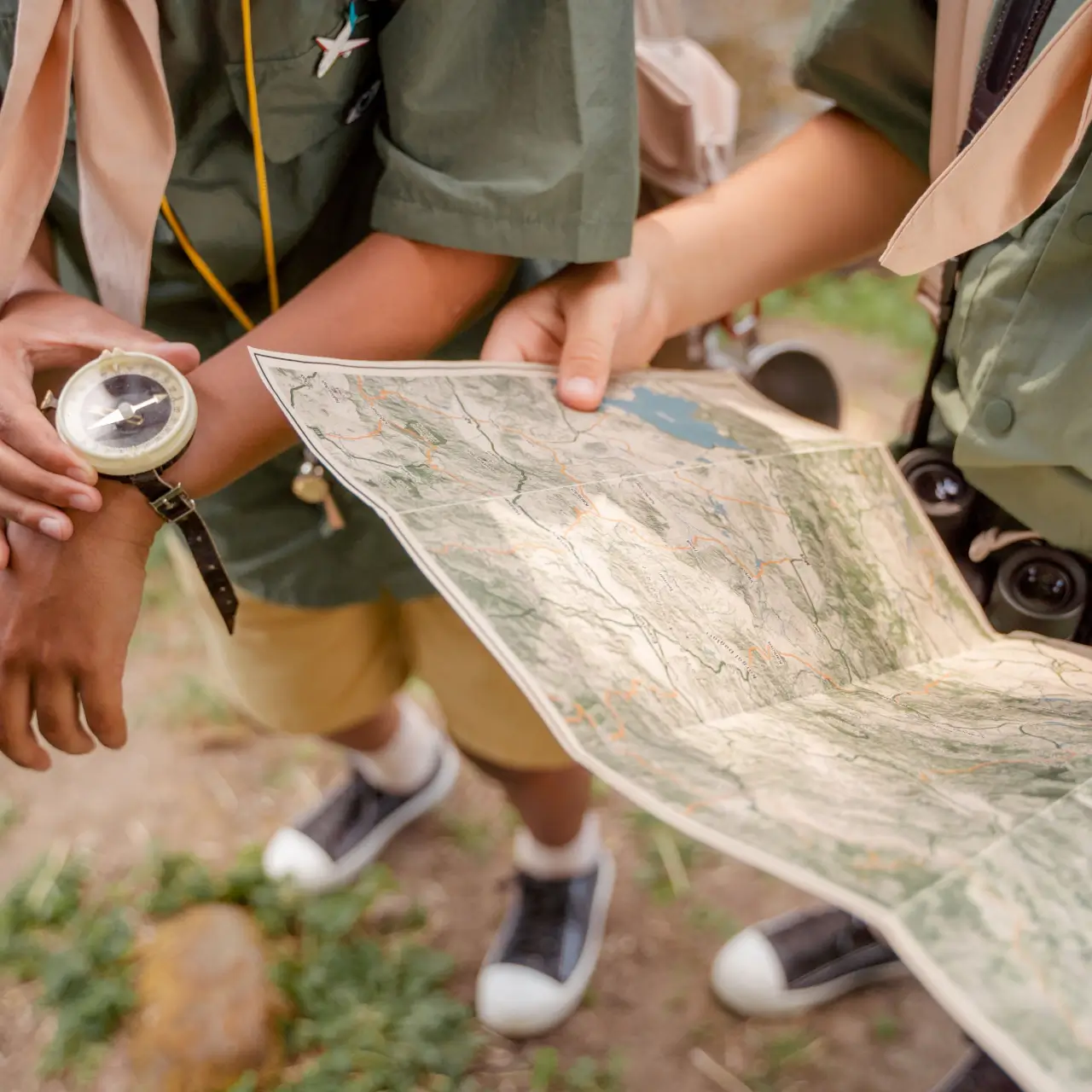
A multi-day expedition covering survival skills, from shelter to navigation.
Every course caps at twelve. Reserve now, confirm within a day.

Field-Tested Equipment
Included in Course Price
Fitted Before Departure
Maintained by Our Team