
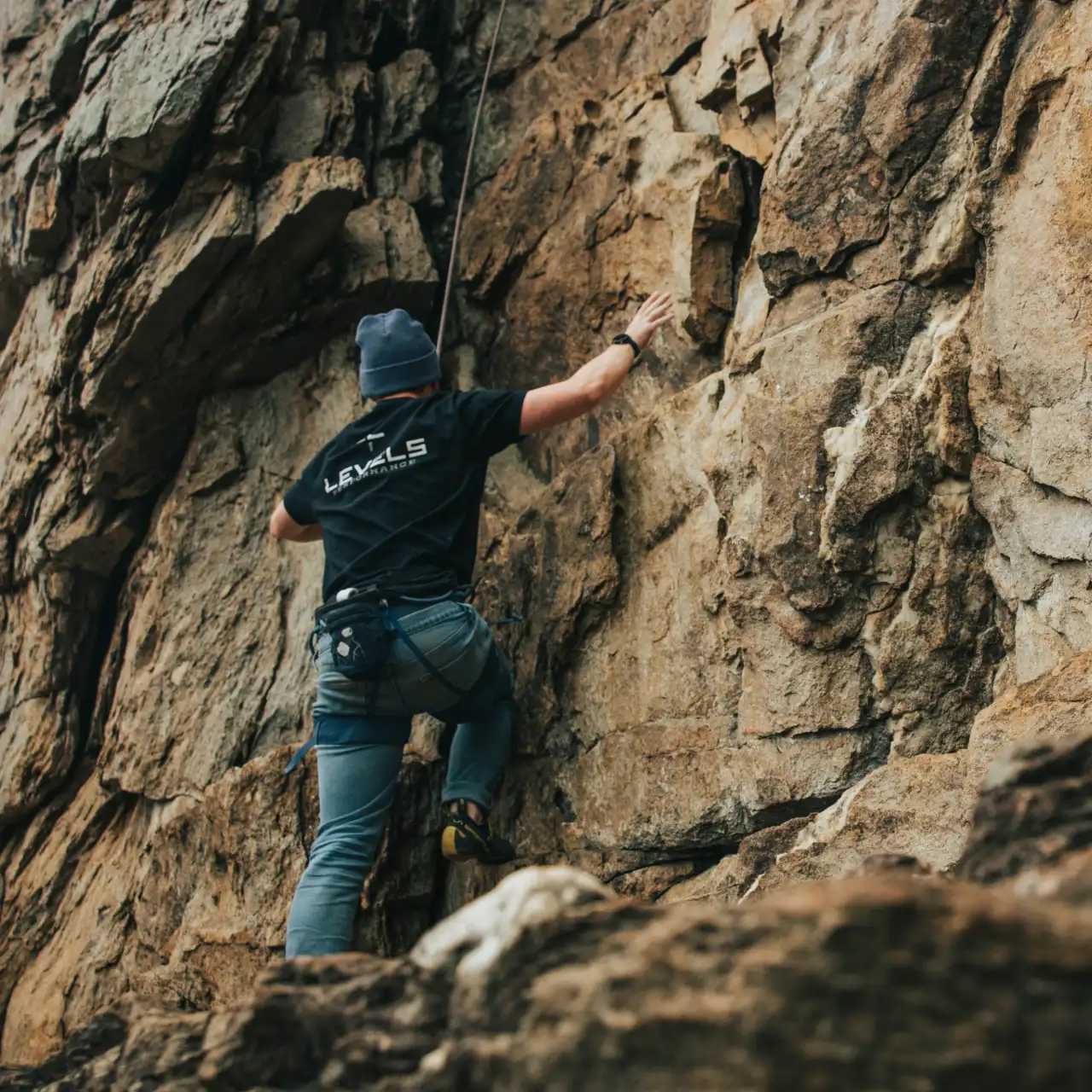
Rock Climbing Basics
An introductory course in rock climbing and mountain scrambling for beginners.
Beginner
Granite Peak, NV
3 Days



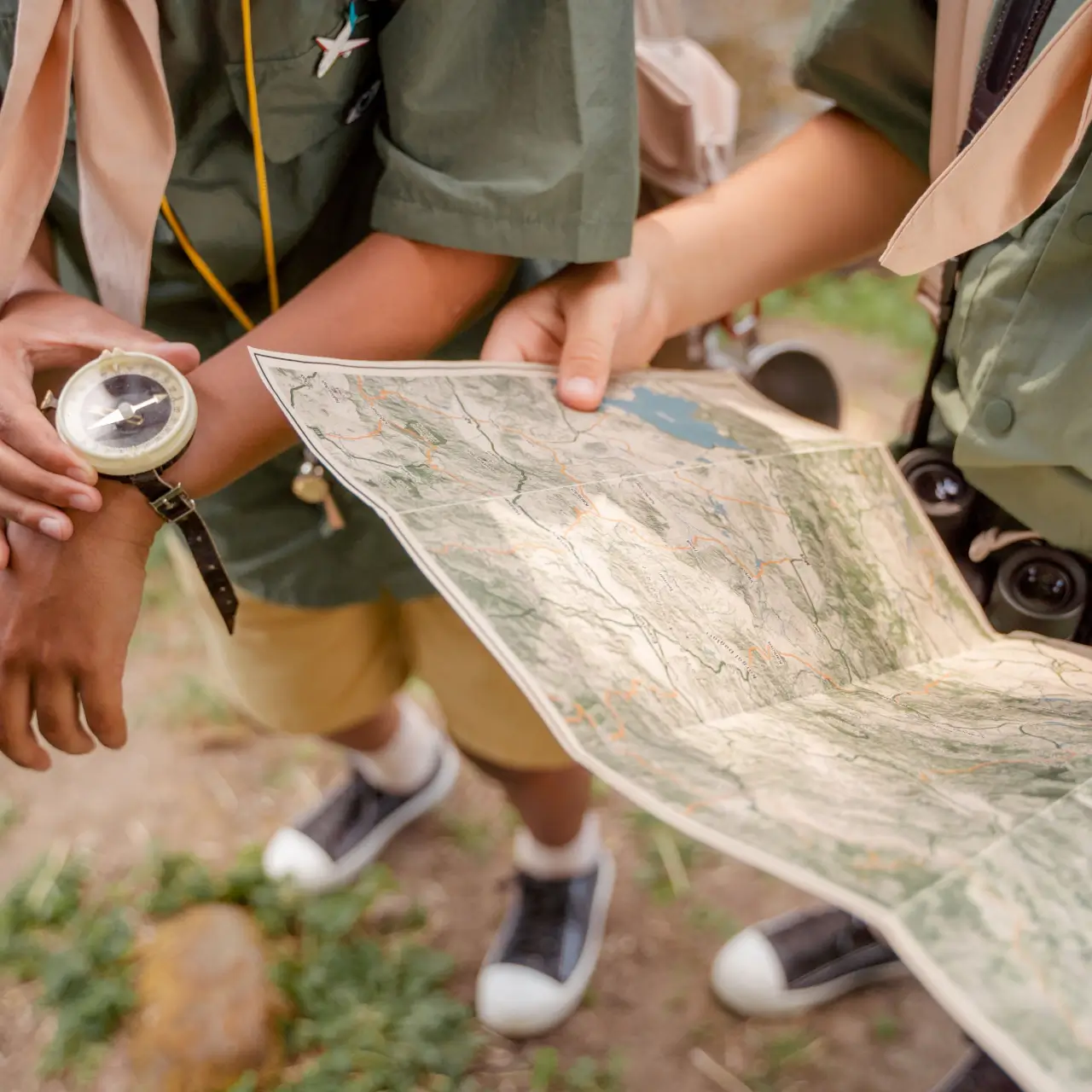
Field Expedition is the point where everything you have learned in shorter courses gets tested under real conditions, with no resupply, no fixed camp, and no instructor stepping in to fix your mistakes before you notice them. Over seven days you navigate between camps by map and compass, build shelter each night, manage your own water and food, and make the small decisions that accumulate into either a smooth week or a difficult one. It is the most demanding course Rugged runs, and the one students most often describe as the week their competence became genuinely their own.
Navigation carries the course. You will work with topographic maps and a baseplate compass daily, practising terrain association, handrails and catching features, dead reckoning across low-visibility ground, and the discipline of knowing your position continuously rather than reconstructing it after you are already lost. Alongside that runs the full expedition skill set: efficient shelter siting and construction under time pressure, water sourcing and treatment in varied terrain, fire in poor conditions, load management, weather interpretation, and the group processes that keep a team functioning when it is tired. Route planning sessions each evening put the following day's decisions in the students' hands.
Day one begins with a full kit shakedown and a navigation baseline so instructors know where each student actually stands rather than where they say they do. From day two the group moves, covering moderate distances with progressively less input from instructors, who shift over the week from teaching to observing to simply accompanying. Midweek introduces deliberately harder problems: a leg navigated in poor visibility, a camp sited in weather, a day where the planned water source is dry and the group has to solve it. By day six students are running the expedition themselves, with instructors present for safety and little else.
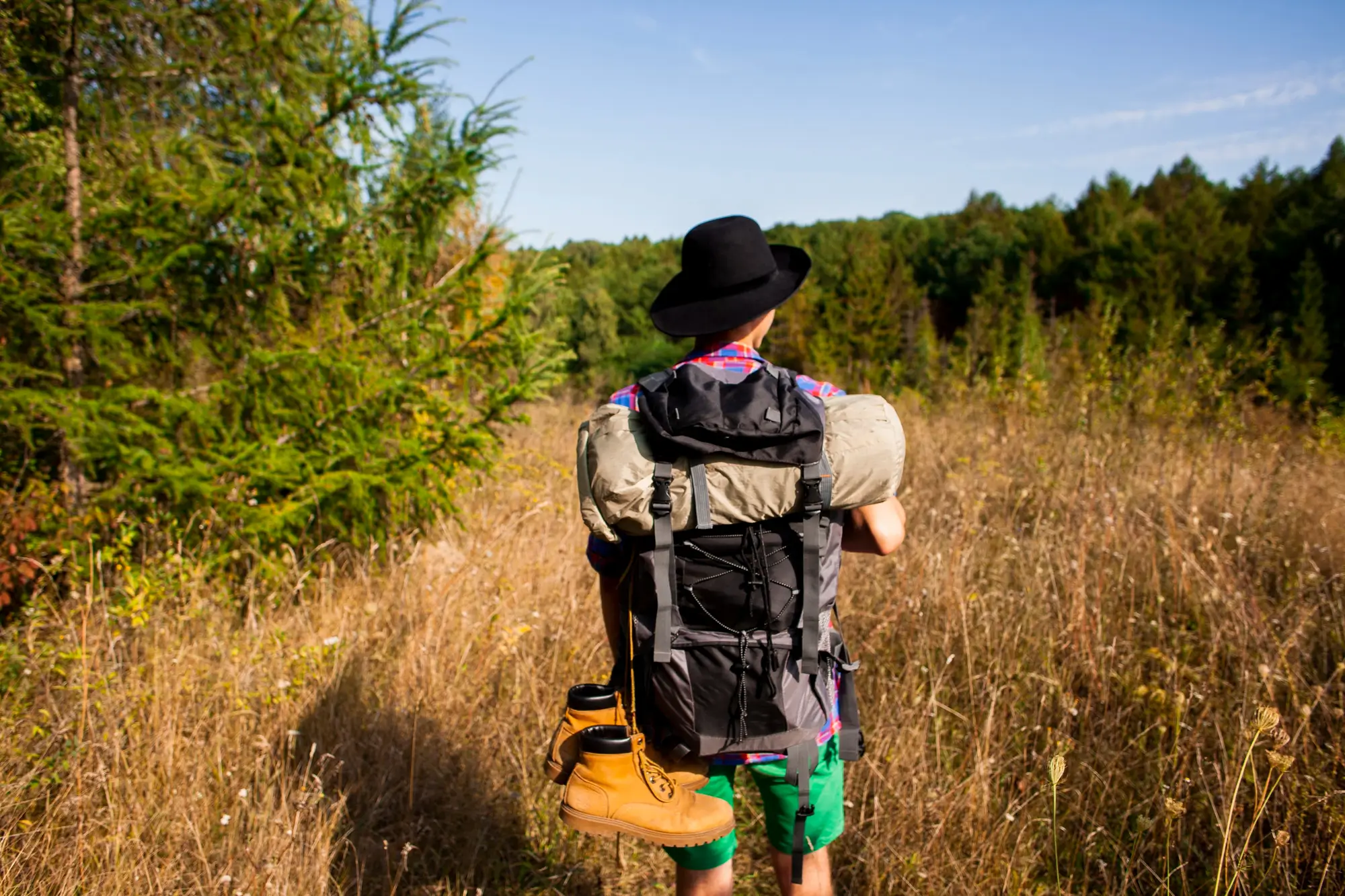
The Colorado high country was chosen because it does not cooperate. Weather can turn in under an hour, afternoon storms are routine through the season, water is abundant in some drainages and entirely absent in others, and the terrain offers enough genuine route-finding complexity that a map is a necessity rather than a formality. That unpredictability is the curriculum. A week in benign country teaches you to execute a plan; a week here teaches you to recognise when the plan has stopped working and to change it early, which is the skill that actually transfers to every trip you take afterwards.
This is an advanced course and it assumes real preparation. You should be comfortable hiking eight to twelve miles a day with a loaded pack over uneven ground, at altitude, in variable weather. At least one prior survival course is strongly recommended, and students who arrive without any foundation generally spend the week struggling with fundamentals instead of building on them. It suits people preparing for longer independent trips, those who have taken shorter courses and want to find out what they actually retained, and anyone who has realised that confidence built over a weekend does not always survive contact with a full week.
Skills you have practised in a car park are not yet yours. They become yours somewhere around day four, when you are tired and you do them correctly anyway.
You will finish able to plan and execute a multi-day route independently, navigate reliably without electronic assistance, site and build shelter efficiently in poor conditions, manage water and food across a week without resupply, and read developing weather early enough to act on it. Just as importantly, you will have an honest and tested picture of your own limits, which is the single most useful thing anyone can take into the backcountry. Students receive a certificate of completion and a written debrief covering what they handled well and where to focus next.
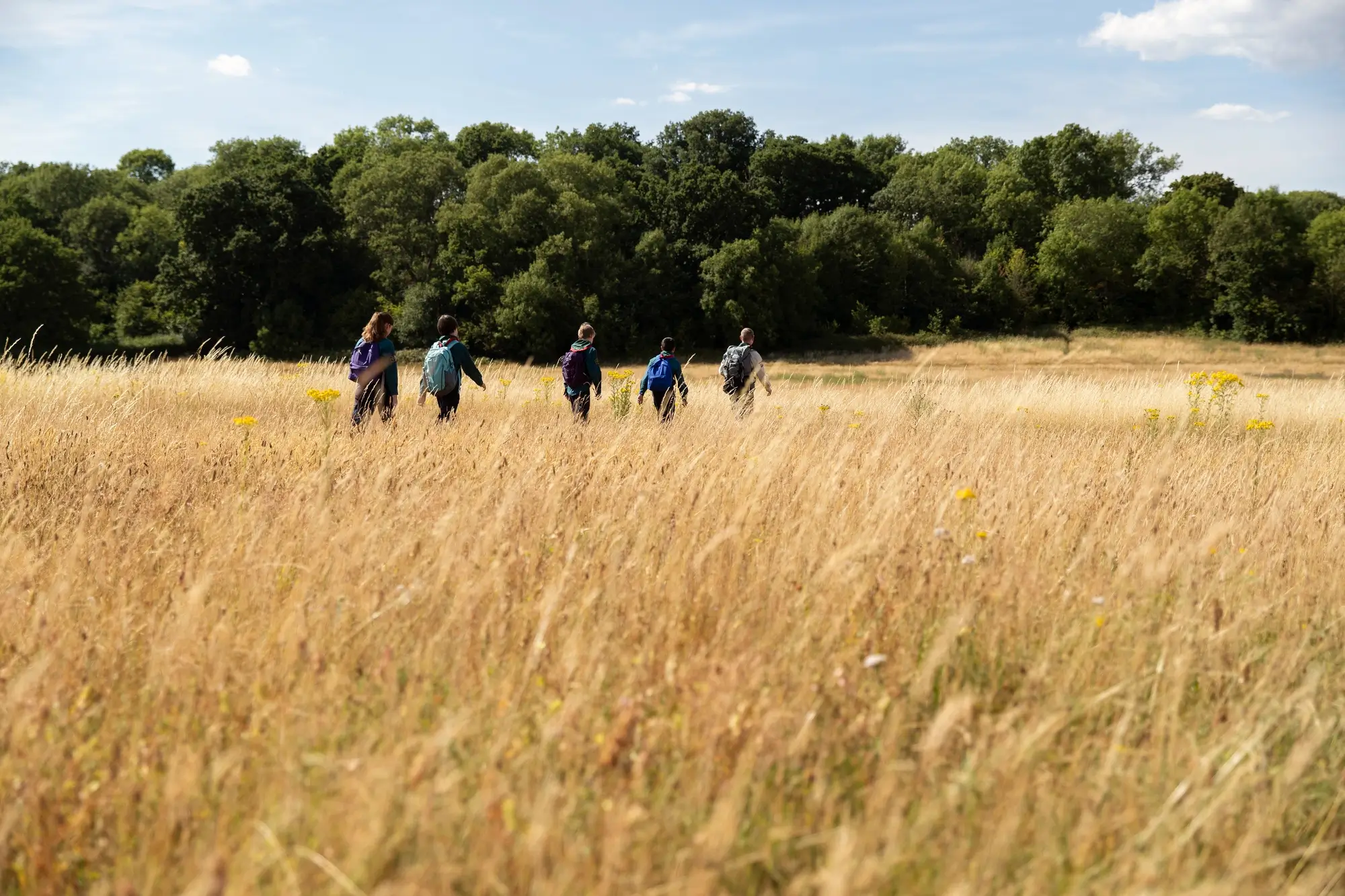
An introductory course in rock climbing and mountain scrambling for beginners.
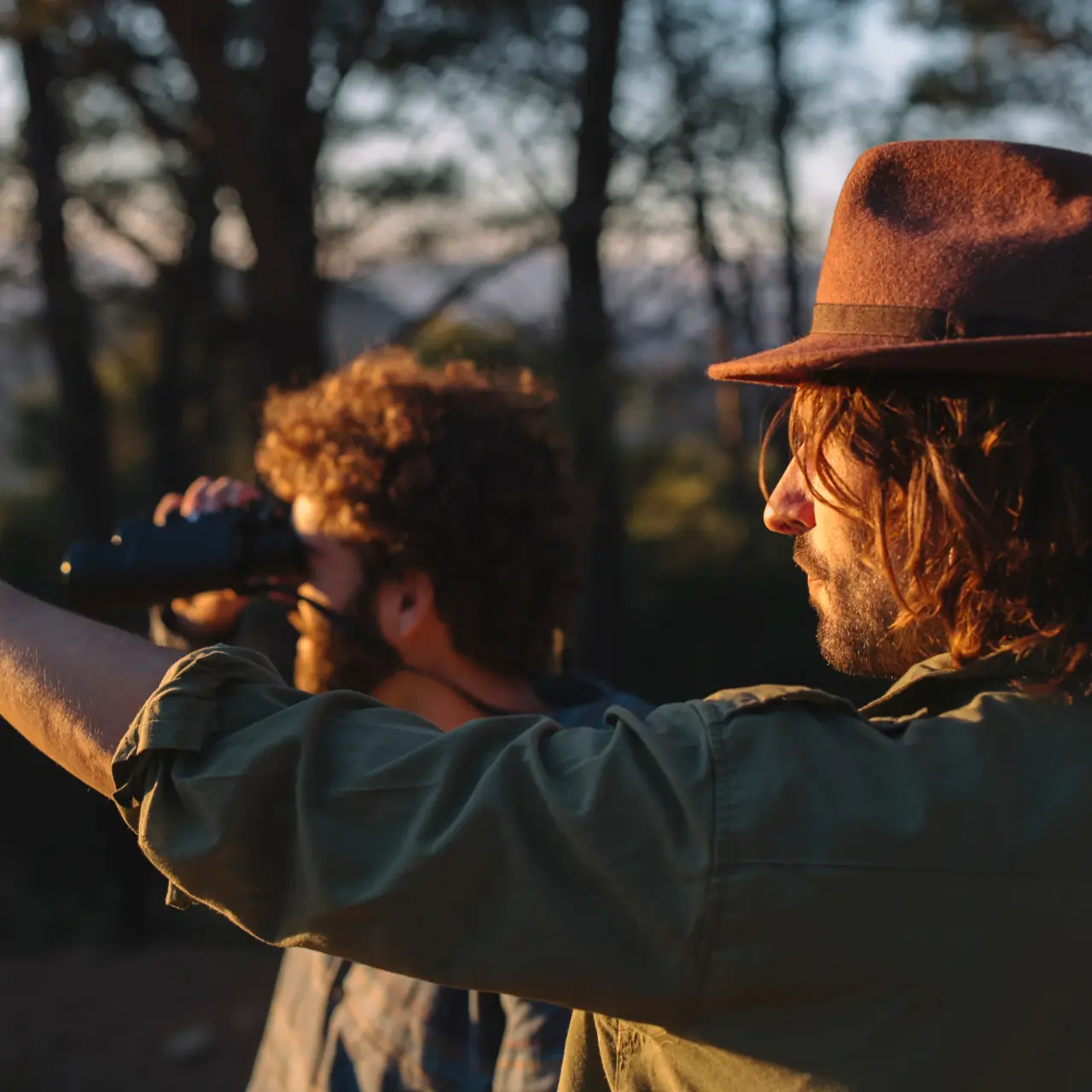
Learn traditional hunting, tracking, and foraging used by expert woodsmen.
Every course caps at twelve. Reserve now, confirm within a day.

Field-Tested Equipment
Included in Course Price
Fitted Before Departure
Maintained by Our Team