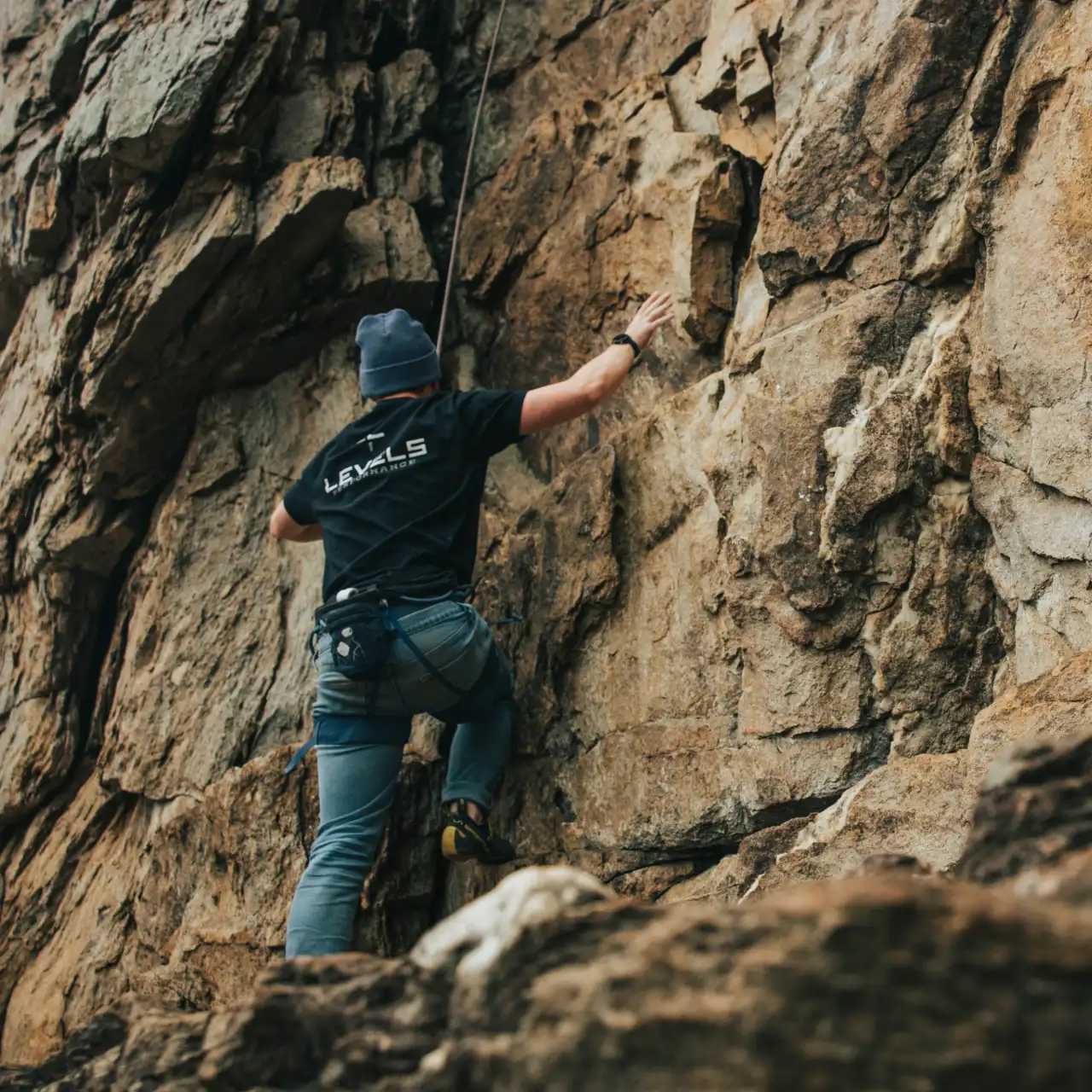
Rock Climbing Basics
An introductory course in rock climbing and mountain scrambling for beginners.
Beginner
Granite Peak, NV
3 Days



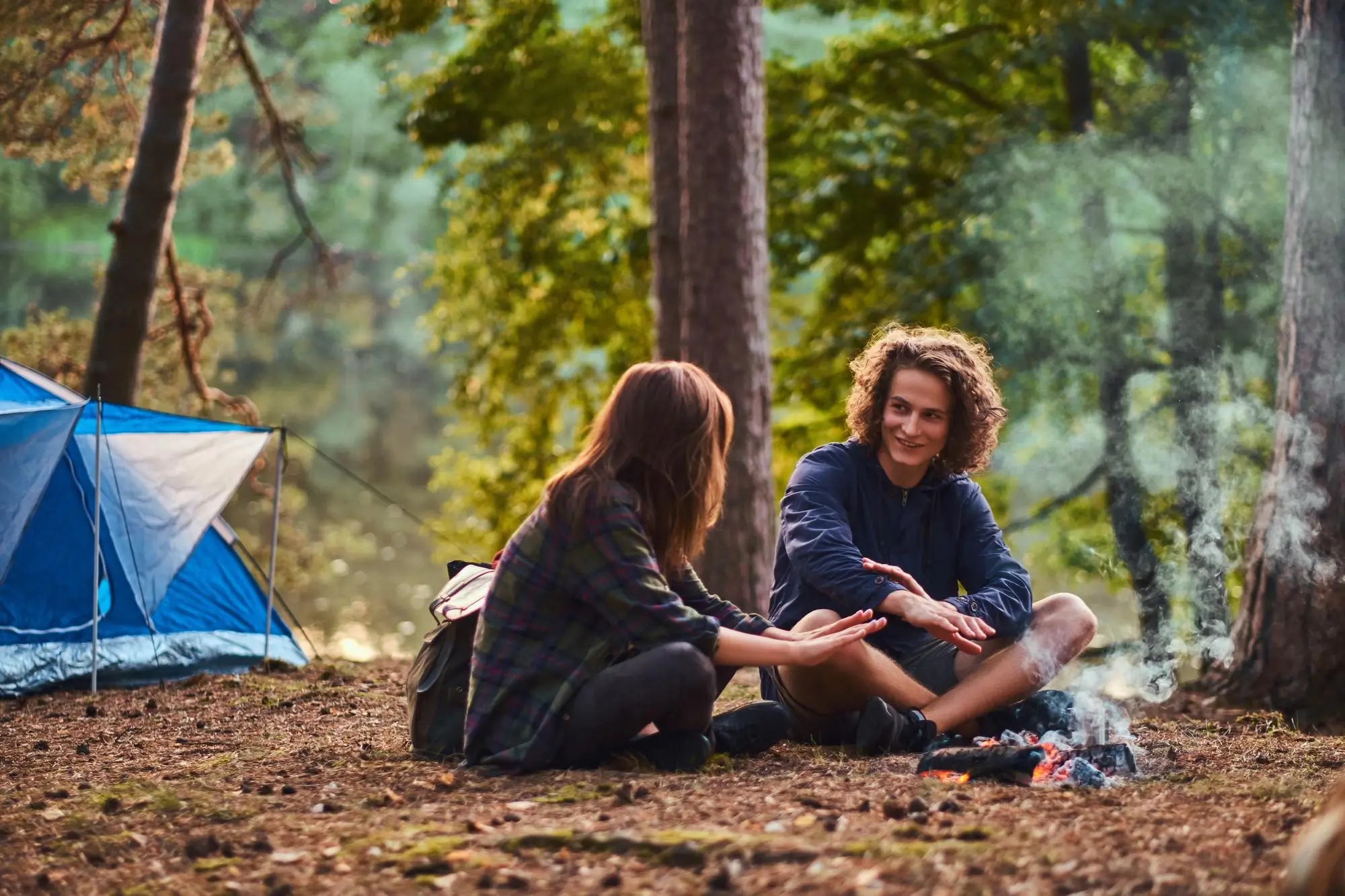
Survival Basics is the foundation course, and almost everyone who goes on to the harder programmes begins here. Over three days at Cascade Basecamp you build a fire from nothing, construct a shelter you will actually sleep in, find and purify water in the field, and learn to navigate with a map and compass. Nothing assumes prior experience and nothing is rushed. The group is capped at six so that every student gets corrected in the moment rather than watching someone else be taught, which is what separates a course from a demonstration.
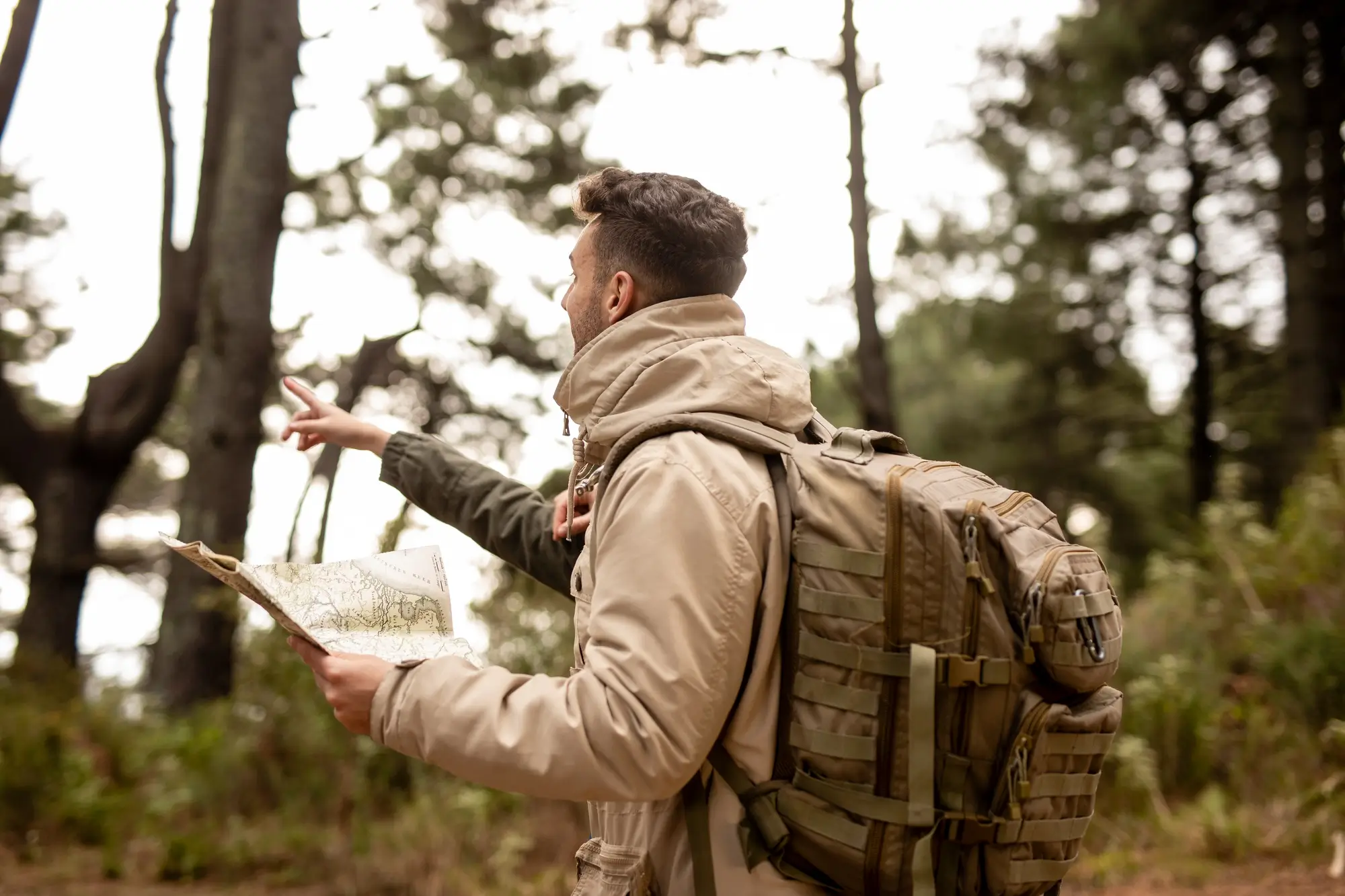
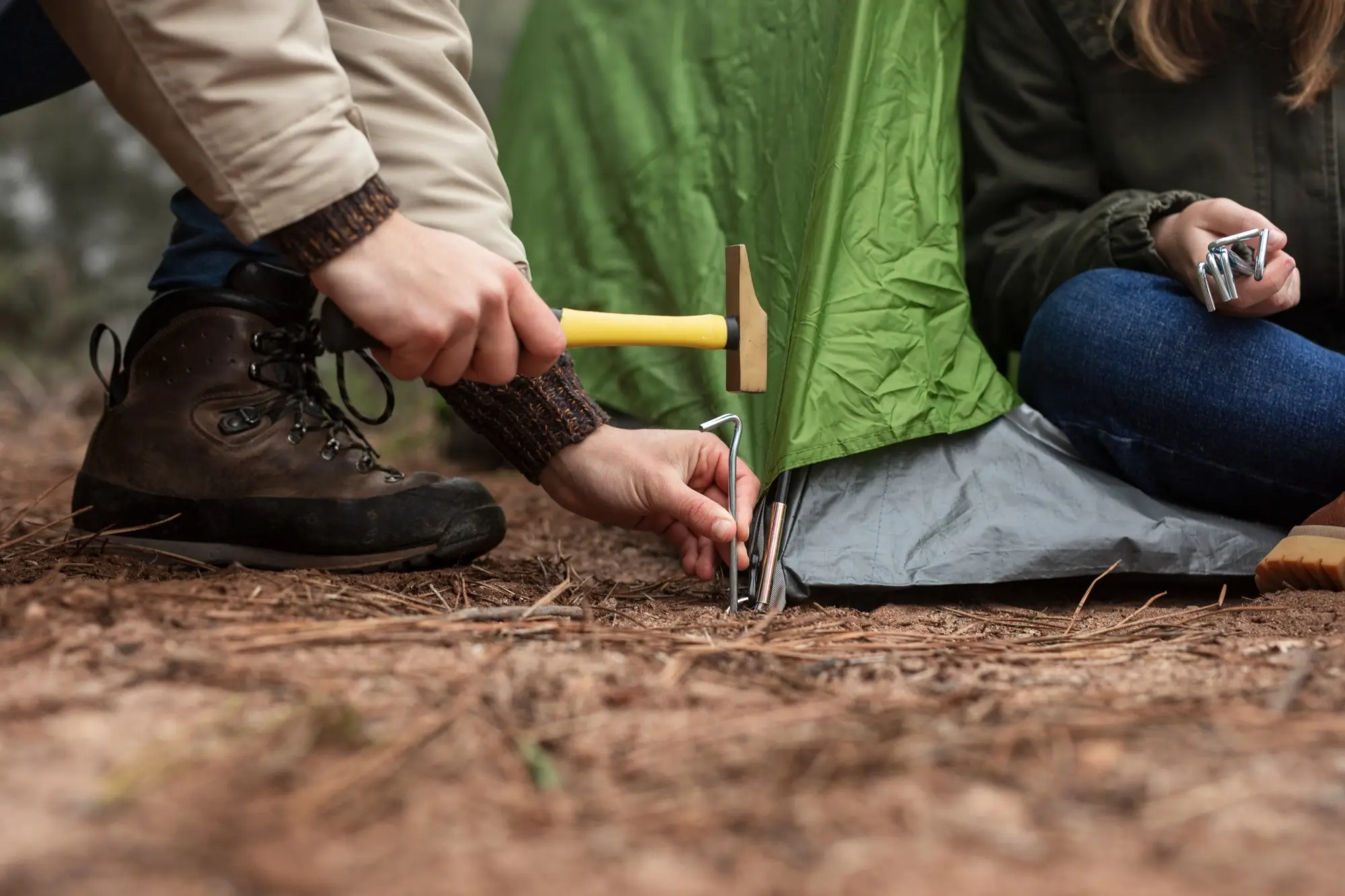
The four pillars, each taken to a level where you can perform it unaided. Fire covers tinder, kindling, and fuel selection, ferro rod and friction methods, structure and airflow, and how to keep a fire alive in wind and damp. Shelter covers reading a site for drainage, wind, and hazards, then building a debris shelter with enough insulation to hold body heat through a cold night. Water covers finding sources, filtration, chemical treatment, and boiling. Navigation covers orienting a map to the ground, taking and walking a bearing, pacing, and recognising terrain features before you need them.
Day one is fire, worked at repeatedly rather than demonstrated once, because a single successful ignition proves very little. Day two is shelter and water, with each student siting and building their own structure in the morning, working on water treatment in the afternoon, and then sleeping in what they built. Day three is navigation and integration, moving through a route on foot with map and compass and revisiting fire and water under the pressure of a real schedule. Each evening ends with a debrief around the fire, which is consistently where students say the material finally settles.
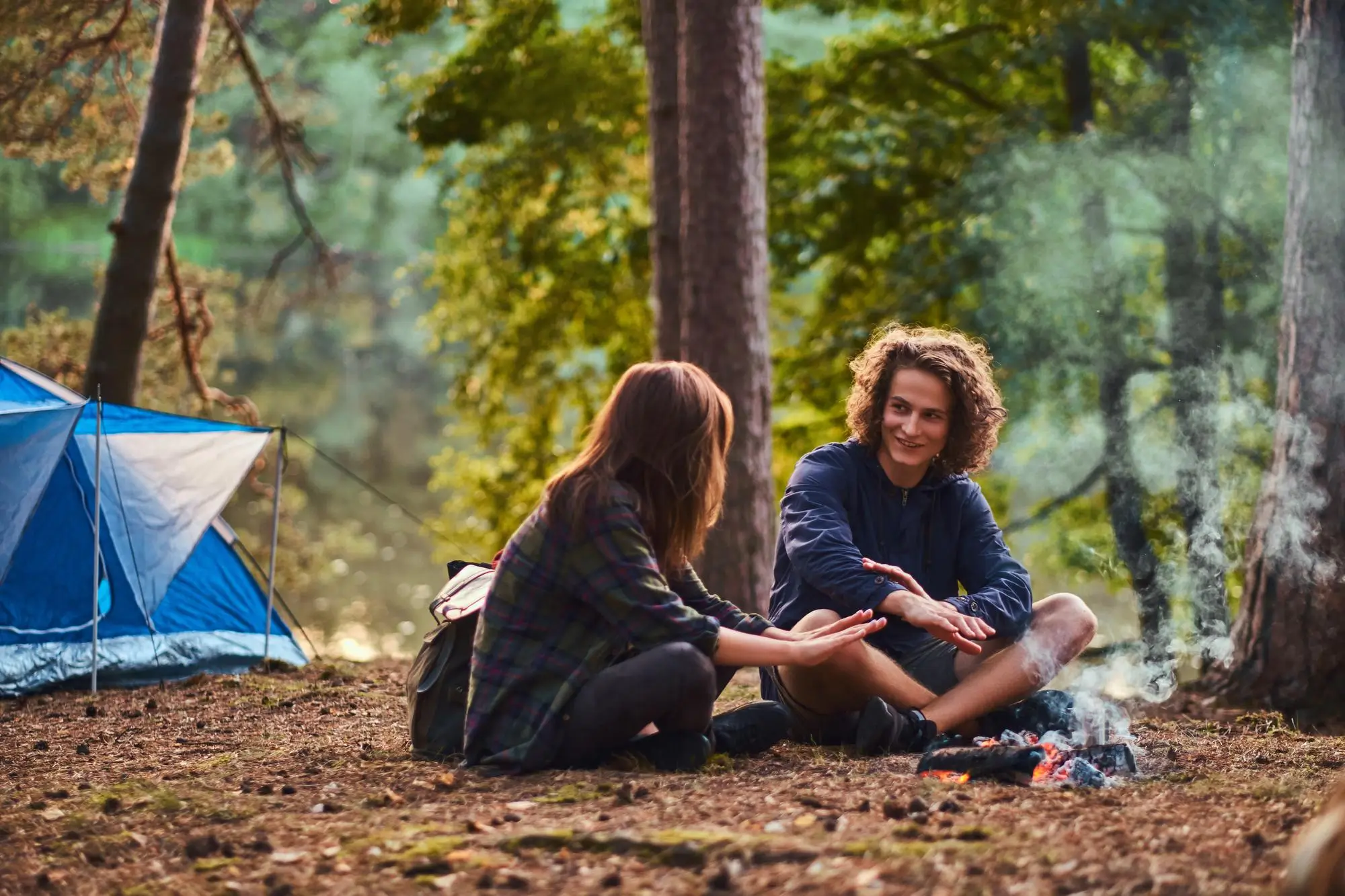
The Cascades are a deliberately unforgiving classroom for a beginner course, and that is the point. The forest is damp for most of the season, which means fire has to be earned rather than assumed, and a student who can get a flame established here will manage almost anywhere. Deadfall and shelter material are abundant, water sources are close, and the canopy provides enough shelter that instruction continues comfortably in rain rather than stopping for it. Learning these skills in easy conditions produces confidence that evaporates the first time the ground is wet; learning them here does not.
Complete beginners, at any fitness level. There are no prerequisites and the course is built on the assumption that you have never done any of this before. It suits people planning a first backcountry trip, hikers who have realised how much they depend on a phone, parents wanting to learn alongside older children, and anyone who has been meaning to do this for years and never quite started. It is also the standard entry point for students intending to progress to Advanced Bushcraft or Field Expedition, both of which assume this material as a baseline.
Four skills, done properly, cover almost everything that turns a bad day outdoors into a dangerous one.
You will leave able to build and maintain a fire in damp conditions, site and construct a shelter that will get you through a cold night, find and treat water safely, and navigate a route with map and compass without electronic help. You will also have slept in something you built, which changes how you think about all of it. Students receive a certificate of completion and a clear recommendation on where to go next, whether that is deeper into bushcraft, further into navigation, or straight onto a full expedition.
An introductory course in rock climbing and mountain scrambling for beginners.
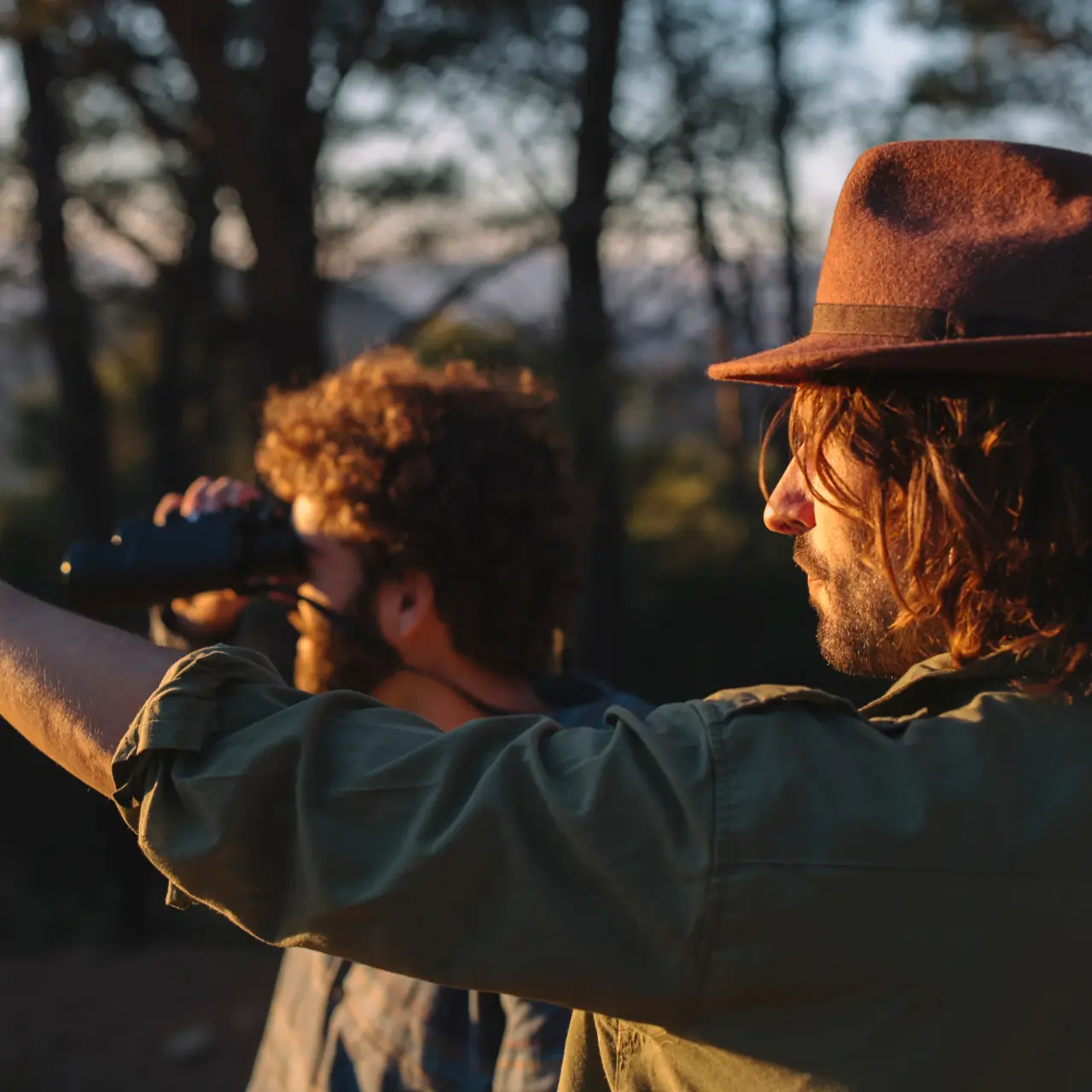
Learn traditional hunting, tracking, and foraging used by expert woodsmen.
Every course caps at twelve. Reserve now, confirm within a day.

Field-Tested Equipment
Included in Course Price
Fitted Before Departure
Maintained by Our Team