Rock Climbing Basics
An introductory course in rock climbing and mountain scrambling for beginners.
Beginner
Granite Peak, NV
3 Days



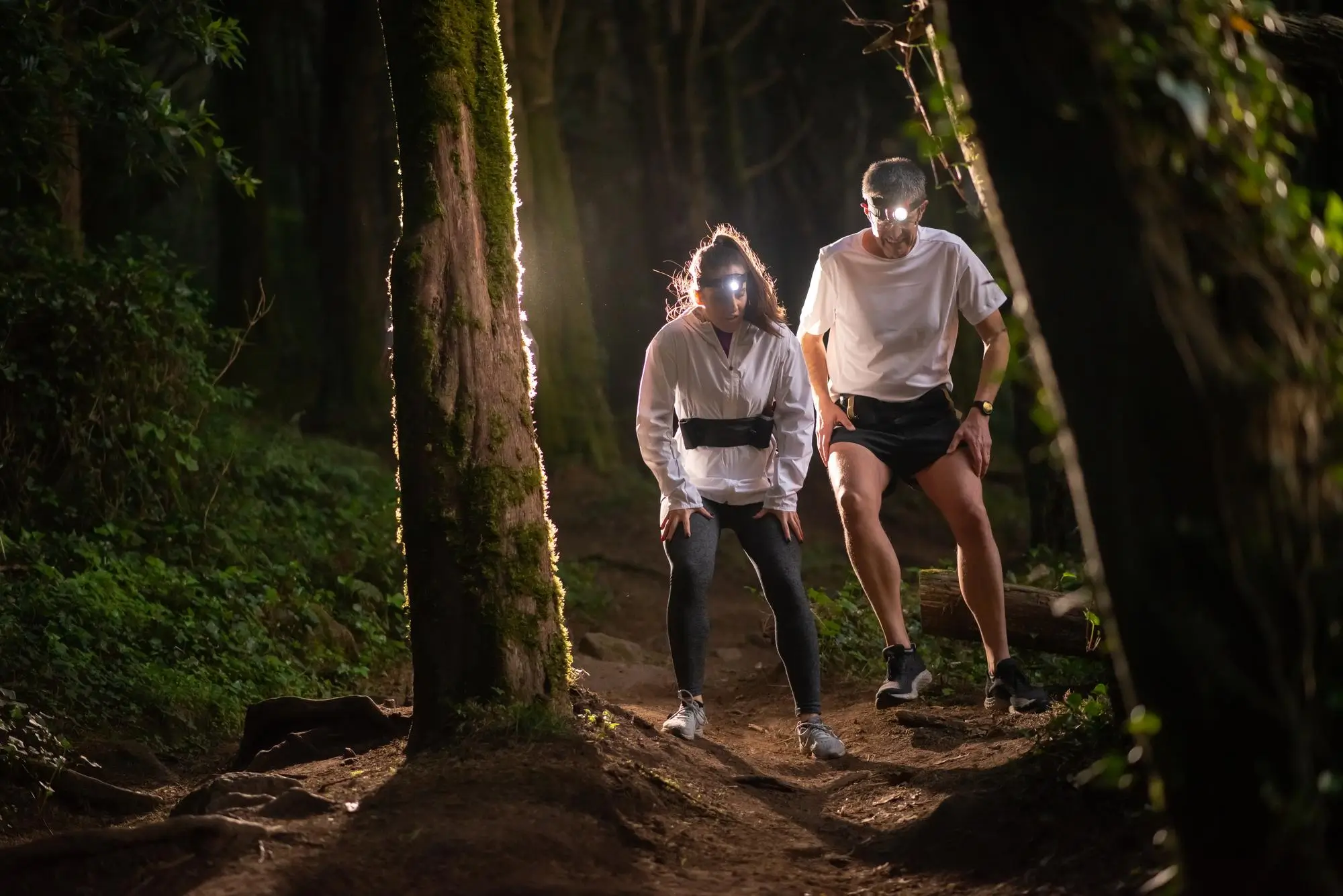
Weekend Warrior exists because most people cannot take a week off, and that should not mean going without proper instruction. It compresses the core survival curriculum into two focused days, cutting the lectures and the padding and keeping the practical work that actually transfers. You will not leave an expert, and the course does not pretend otherwise. You will leave with four skills you can genuinely perform under pressure, which is considerably more than most people gain from a year of reading about them.
Four pillars, taught to a working standard rather than an introductory one. Fire covers ferro rod technique, tinder selection and preparation, building for wet conditions, and getting a flame established when your hands are cold and the ground is soaked. Shelter covers siting, the debris shelter and tarp configurations worth knowing, insulation from the ground, and how to build fast when weather is closing in. Water covers sourcing, filtration, chemical treatment, and boiling, along with recognising which sources to avoid entirely. Navigation covers map orientation, taking and following a bearing, and terrain association.
Day one is fire and shelter, taught in that order deliberately, because a fire lit at four in the afternoon is a very different proposition from one lit at dusk once the temperature has dropped. You will build, fail, adjust, and rebuild, and every student sleeps in the shelter they made rather than in a tent. Day two moves to water and navigation, with a morning of treatment practice on real sources and an afternoon navigation exercise that puts the group on the ground with a map and a compass and no phones. The final session revisits fire in deliberately poor conditions.
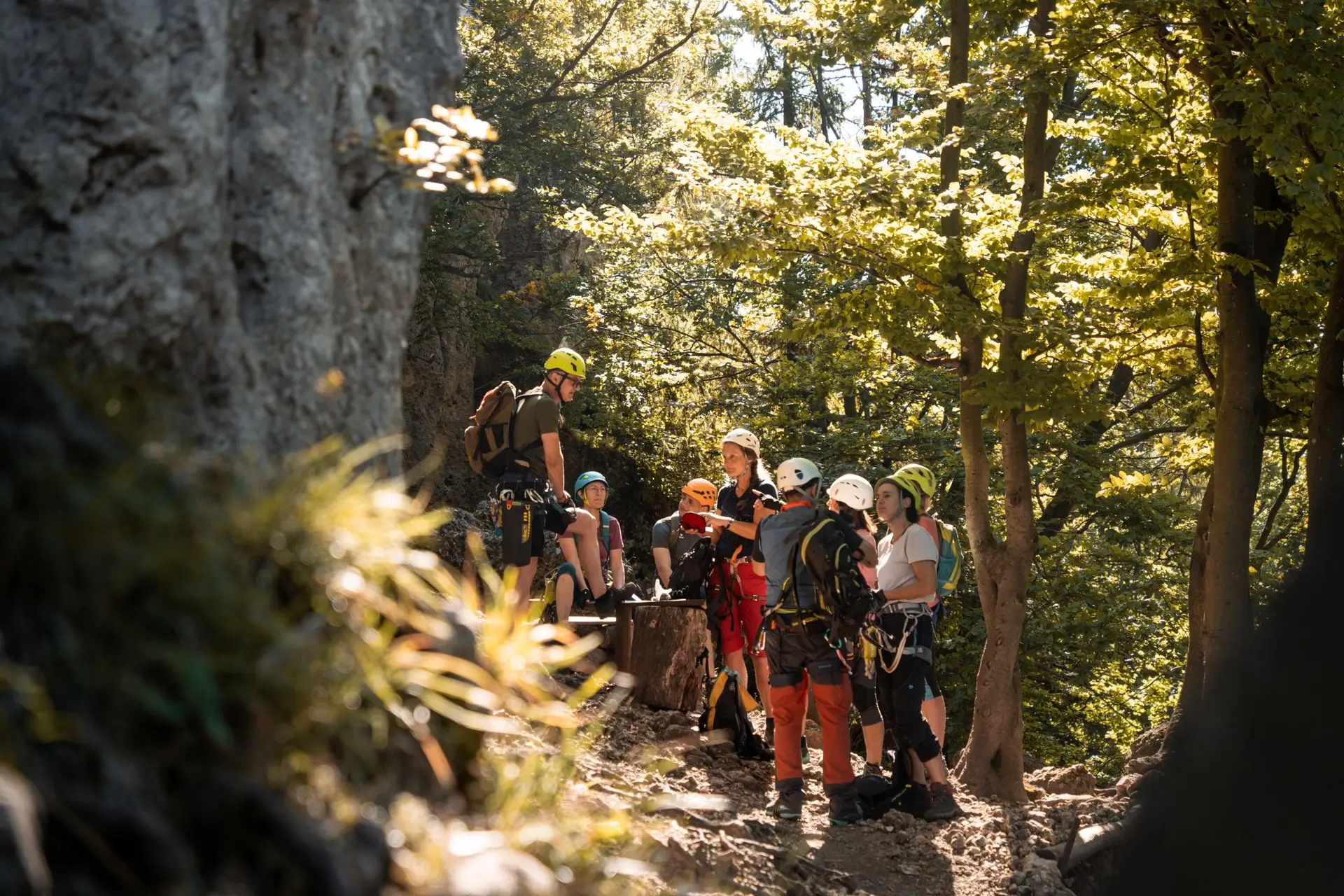
Blackridge suits a two-day format because nothing about it wastes your time. The drive in is short, camp sits close to the road, and the terrain needed for every module is within fifteen minutes on foot, which means the schedule loses almost nothing to travel. Water sources, workable deadfall, and varied ground for the navigation exercise are all effectively on site. With only forty-eight hours available, that logistical simplicity is not a minor convenience; it is the difference between four skills covered properly and four skills covered in a rush.
There are no prerequisites and no fitness threshold beyond being able to walk on uneven ground and work outdoors for two full days. It is designed for people with limited time: parents, shift workers, anyone whose leave is already spoken for. It also works well as a test run for those unsure whether a longer course is worth committing to, and as a refresher for people who took something years ago and suspect the details have faded. Groups and pairs do particularly well here, since most of these skills are easier to maintain when someone else is practising alongside you.
Two days spent doing something badly and then correctly beats two weeks spent reading about doing it well.
You will finish able to light a fire in poor conditions using a ferro rod, build a shelter that will keep you warm through a night, source and treat water safely, and navigate a straightforward route with a map and compass. Those four things cover the overwhelming majority of situations that turn a difficult day in the backcountry into a dangerous one. Students receive a certificate of completion and a short practice plan for keeping the skills alive, because a weekend builds competence and only repetition keeps it.
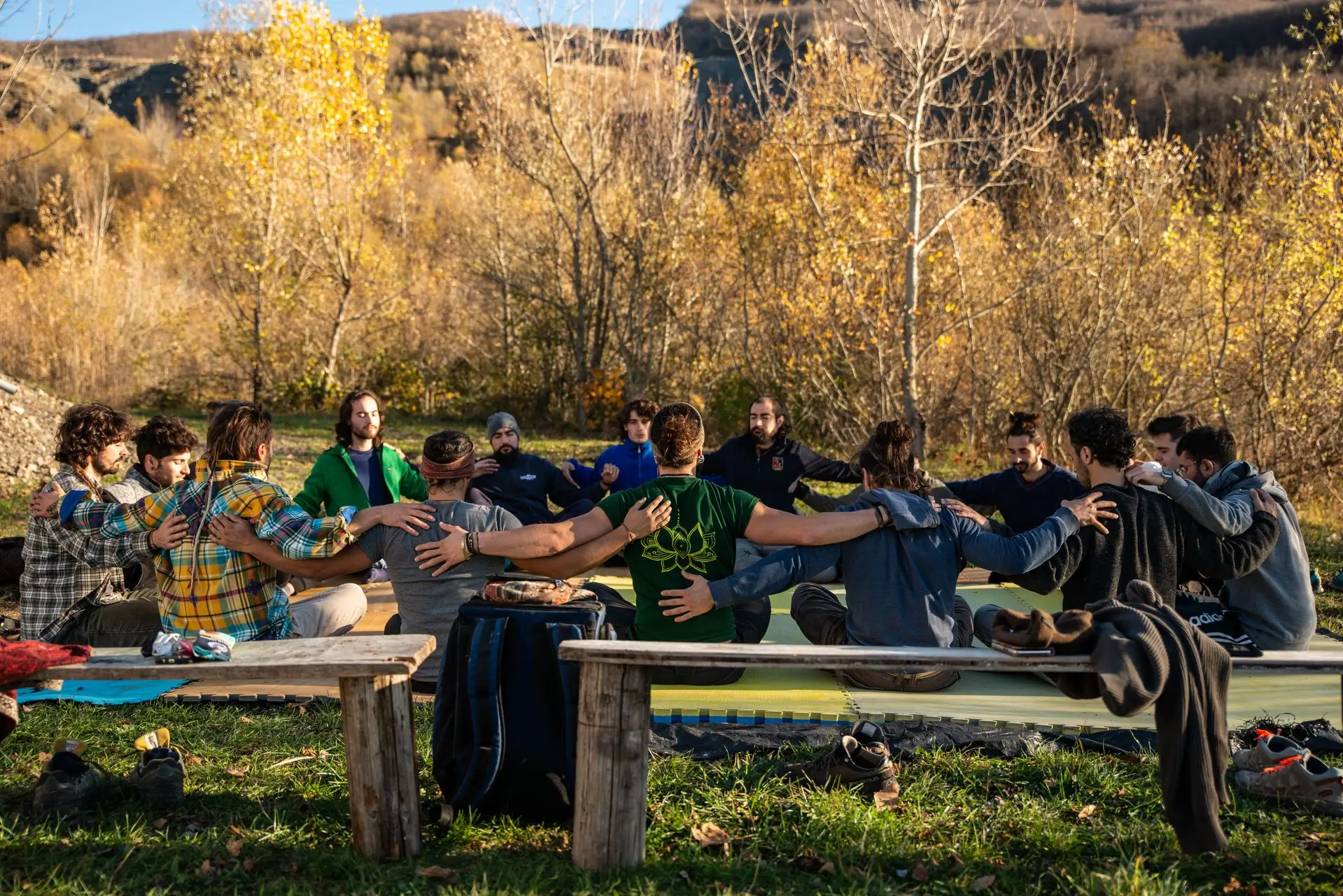
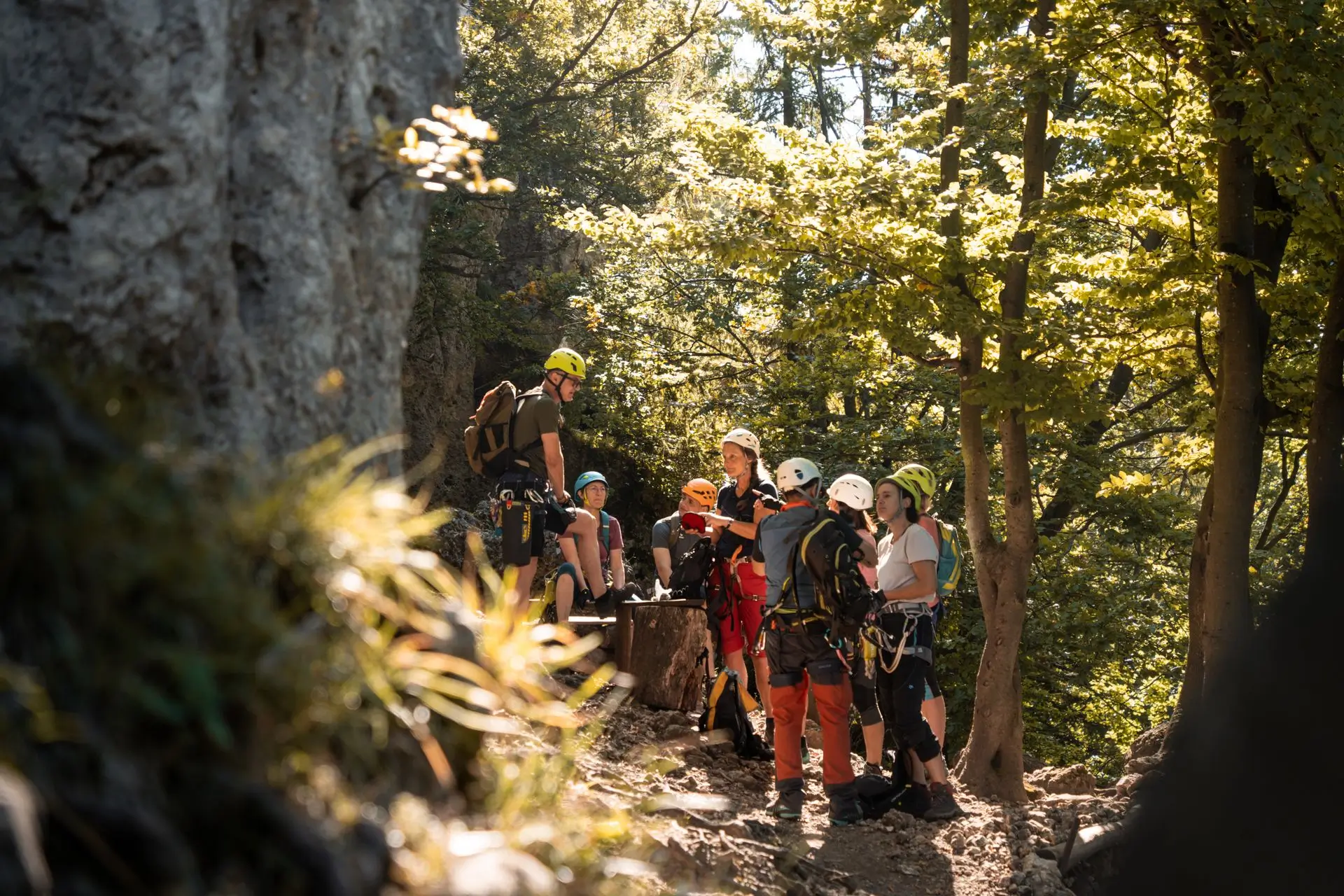
An introductory course in rock climbing and mountain scrambling for beginners.
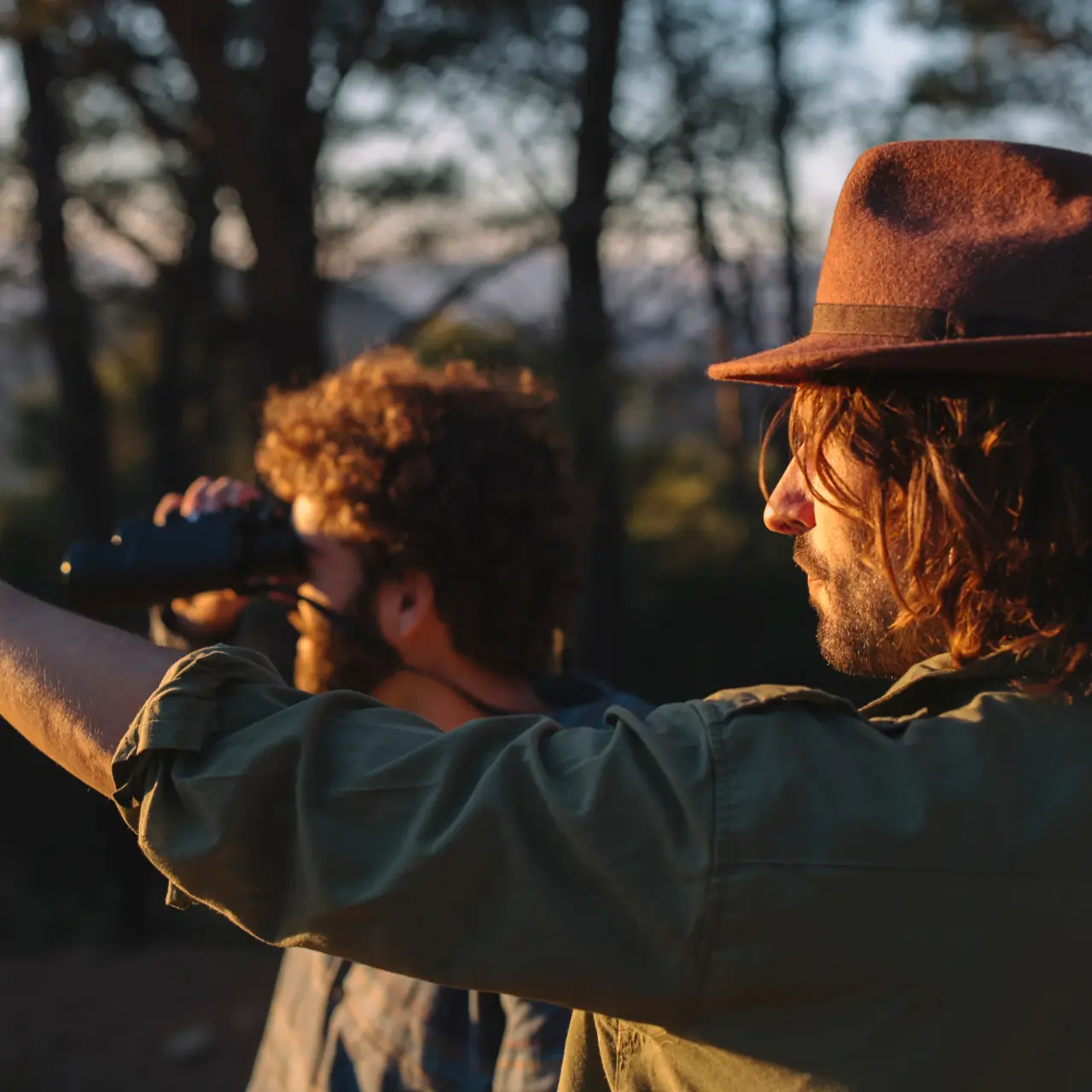
Learn traditional hunting, tracking, and foraging used by expert woodsmen.
Every course caps at twelve. Reserve now, confirm within a day.

Field-Tested Equipment
Included in Course Price
Fitted Before Departure
Maintained by Our Team