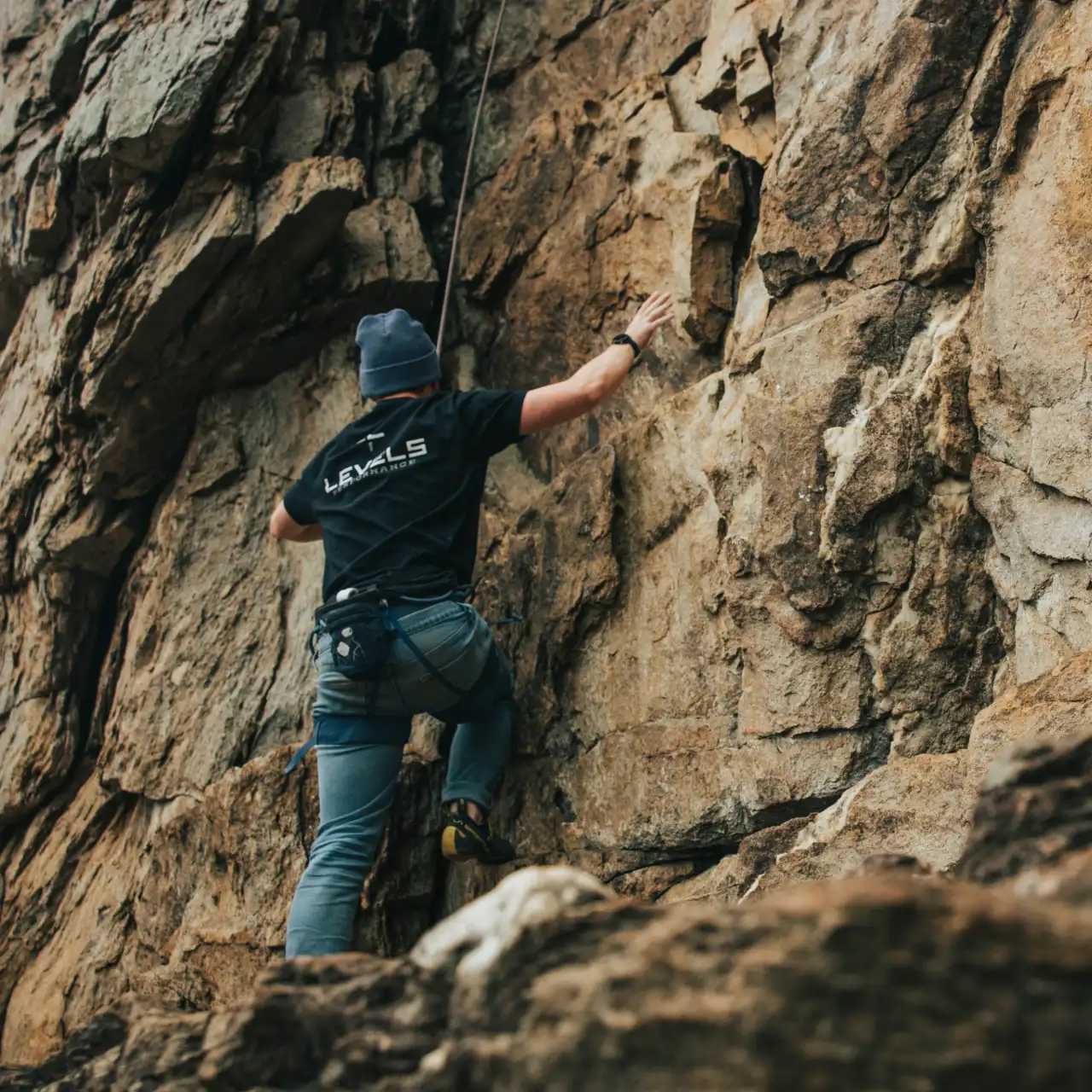



The instinct before a first expedition is to prepare for everything, which means carrying a pack heavy enough to guarantee slower travel, worse decisions, and a higher chance of injury. Experienced guides carry small kits, not because they are cavalier but because weight is itself a hazard. A few well-chosen, well-understood items handle the overwhelming majority of situations.
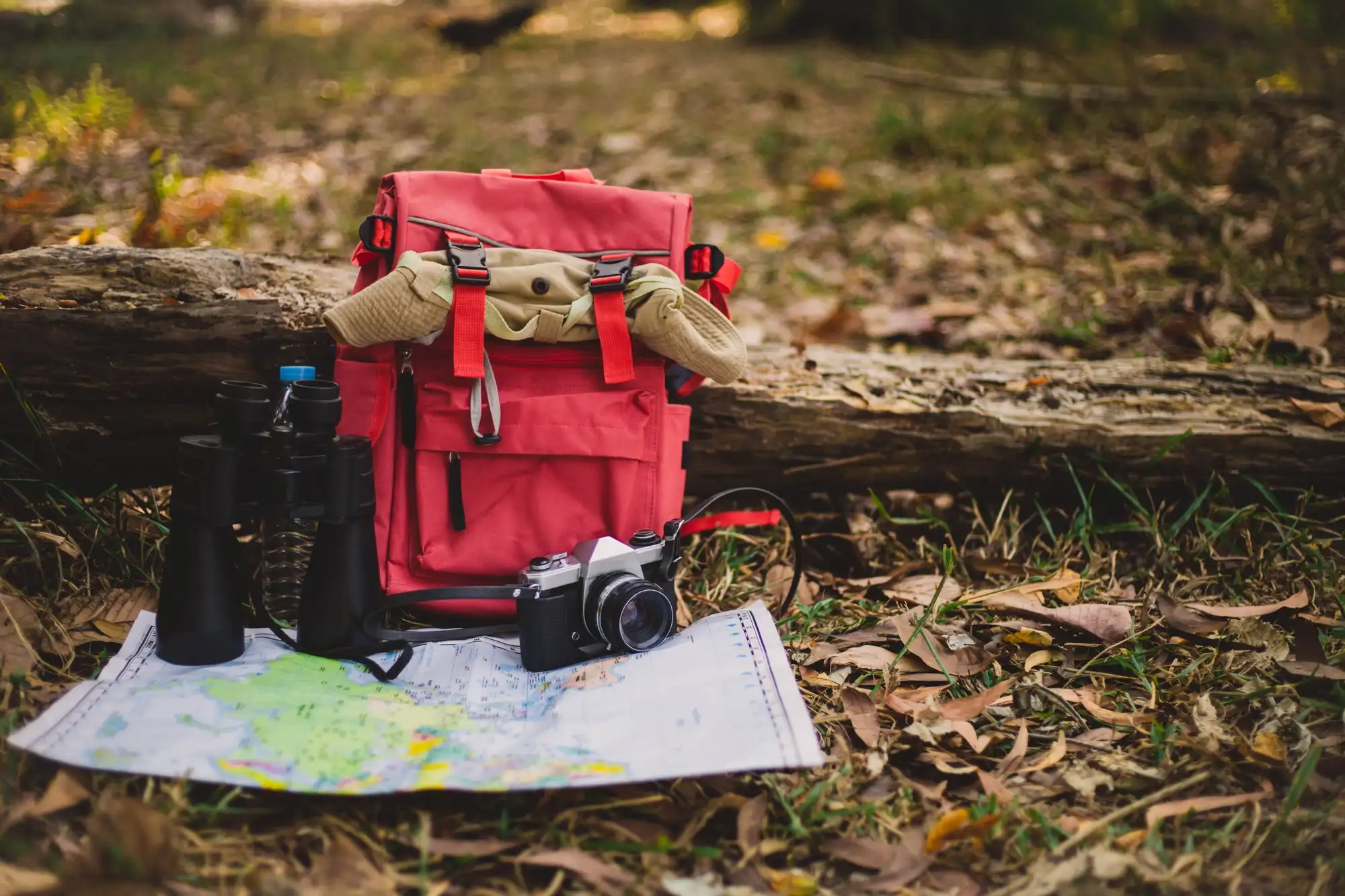
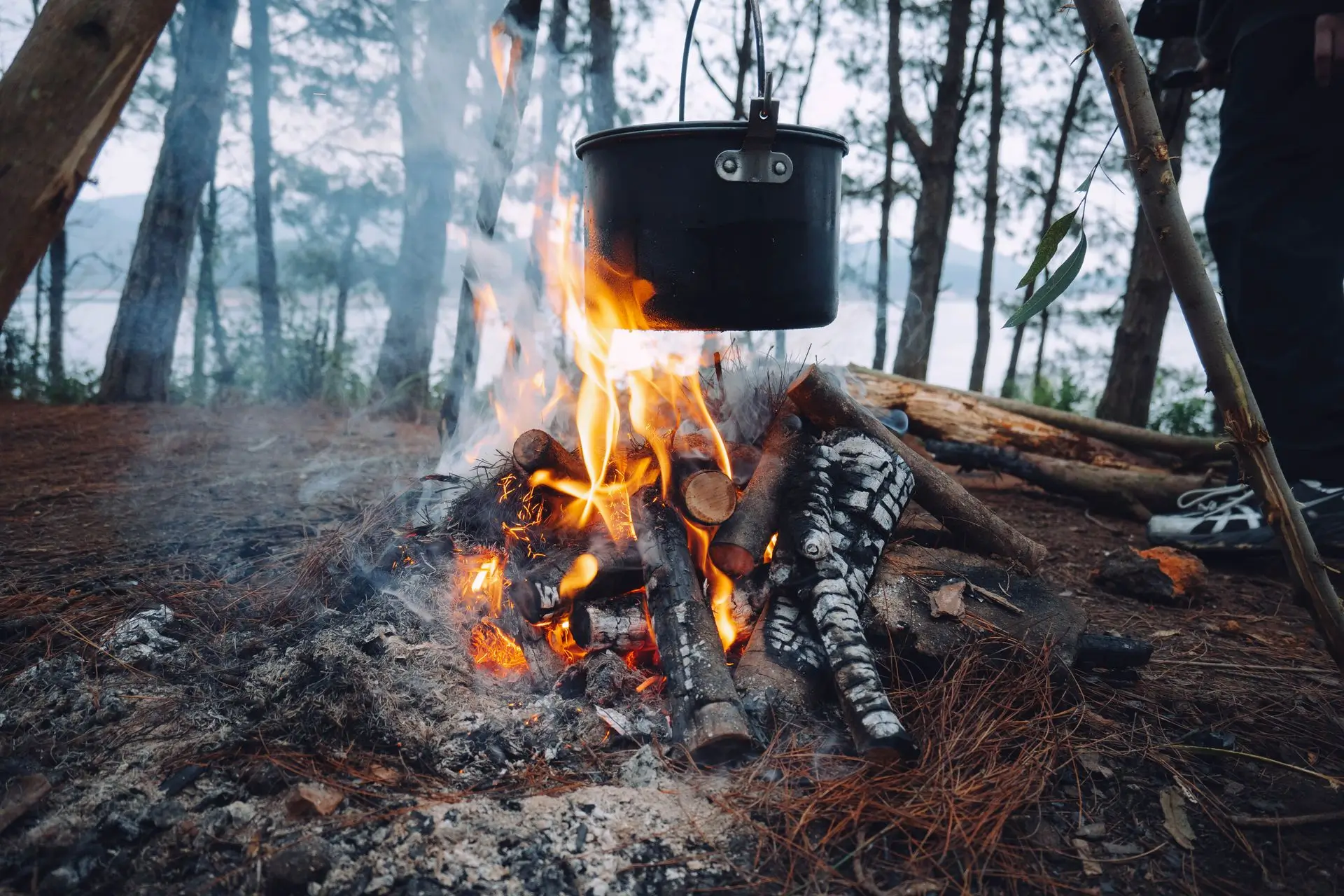
A full-tang fixed-blade knife. A ferrocerium rod, which works wet and does not run out. A lightweight tarp with cordage. A water filter plus a chemical backup. A topographic map and baseplate compass. A first-aid kit built around bleeding control and blisters. A headlamp with spare batteries. Insulating layers matched to the coldest realistic night. Ten metres of cordage. A metal container that can boil water.
Nothing on that list depends on a charge, a signal, or a firmware update. Electronics have a place, and a satellite messenger is a real safety improvement — but alongside the fundamentals, not instead of them. Every core item can be repaired or improvised around. Cordage becomes a ridgeline, a splint lashing, or a bear hang; a metal cup boils, cooks, digs, and signals.
How you pack matters nearly as much as what you pack. Dense items like water and food sit high and between the shoulder blades so the load transfers through your hips. Anything needed during the day belongs in a lid or hip pocket. A pack that has to be unpacked to be useful simply gets used less than it should.
An expedition is the worst place to learn how your equipment works. Pitch the tarp in wind, light and prime the stove, cook a full meal, filter a litre and time how long it takes. Wear the boots for at least forty miles beforehand, on hills with a loaded pack. Every piece should be familiar enough to operate cold, tired, and in the dark.
Skill is the only piece of equipment that adds no weight, cannot be forgotten at the trailhead, and gets better every time you use it.
Build the kit around the specific route, season, and group rather than a generic list, including this one. A summer weekend on trail needs a different kit from a shoulder-season traverse. Share group equipment deliberately so you are not carrying four stoves and no shovel. After each trip, lay everything out and mark what you never touched.