
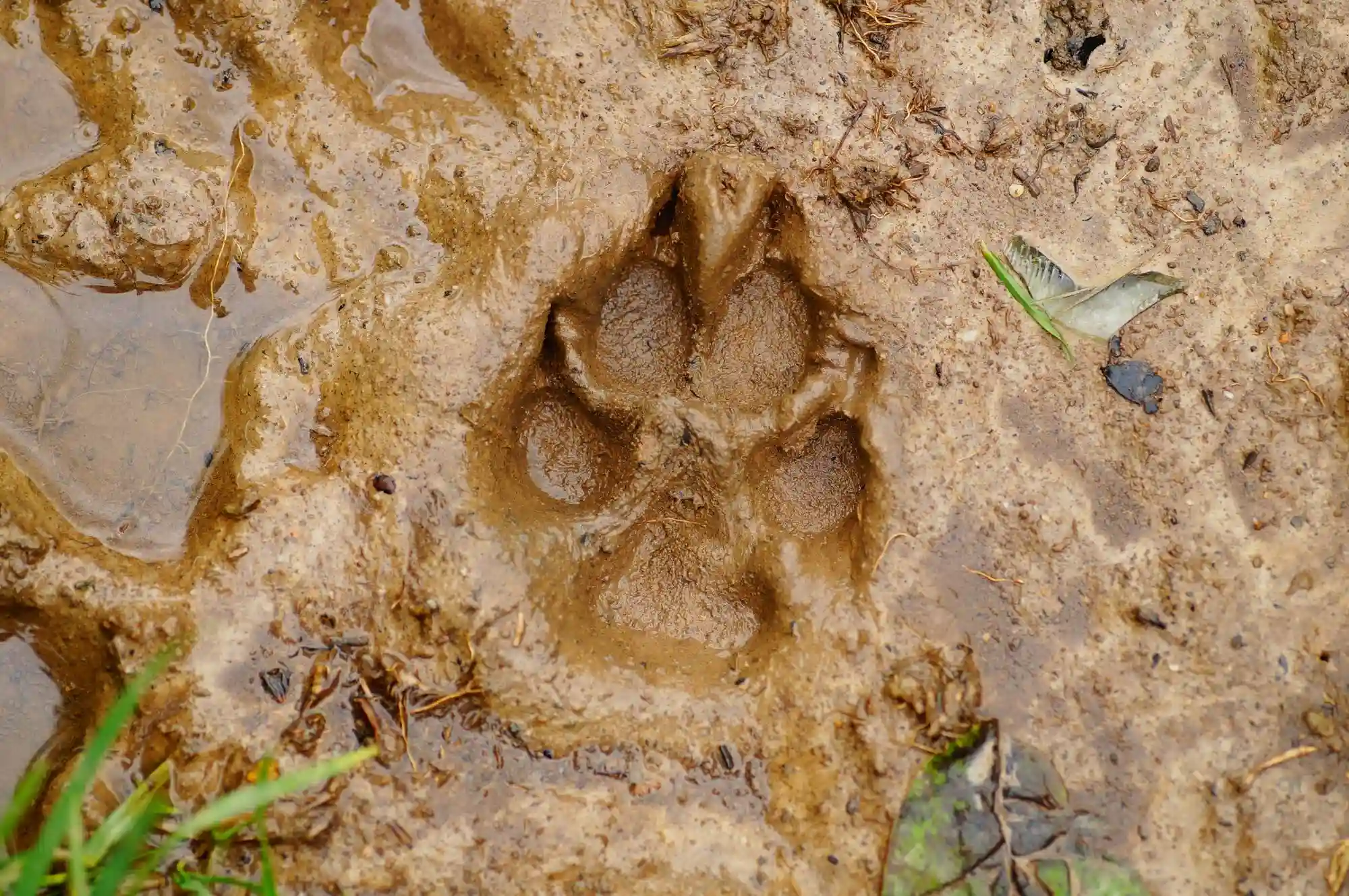


A single print in soft mud carries more than most people realise: which species passed, roughly how large it was, which direction it was heading, how fast, and often why. String several prints together and you have a narrative — an animal that slowed here, turned to face something there, and accelerated away. Tracking is the practice of reading it.
Begin with the two things that identify most animals: the shape of the print and the pattern of the whole track group. Canines leave symmetrical prints with claws registering; felines leave rounder prints with none. The gait pattern narrows the field before you look closely at any single print. Learn the ten most common species in your region thoroughly rather than a continental field guide superficially.
Prints are only a fraction of what an animal leaves behind, and in dry or rocky terrain they may be absent entirely. Sign includes disturbed leaf litter, compressed vegetation, browse marks, rubs on bark, scat, hair caught on branches, and the shine on a pebble flipped from its bed.
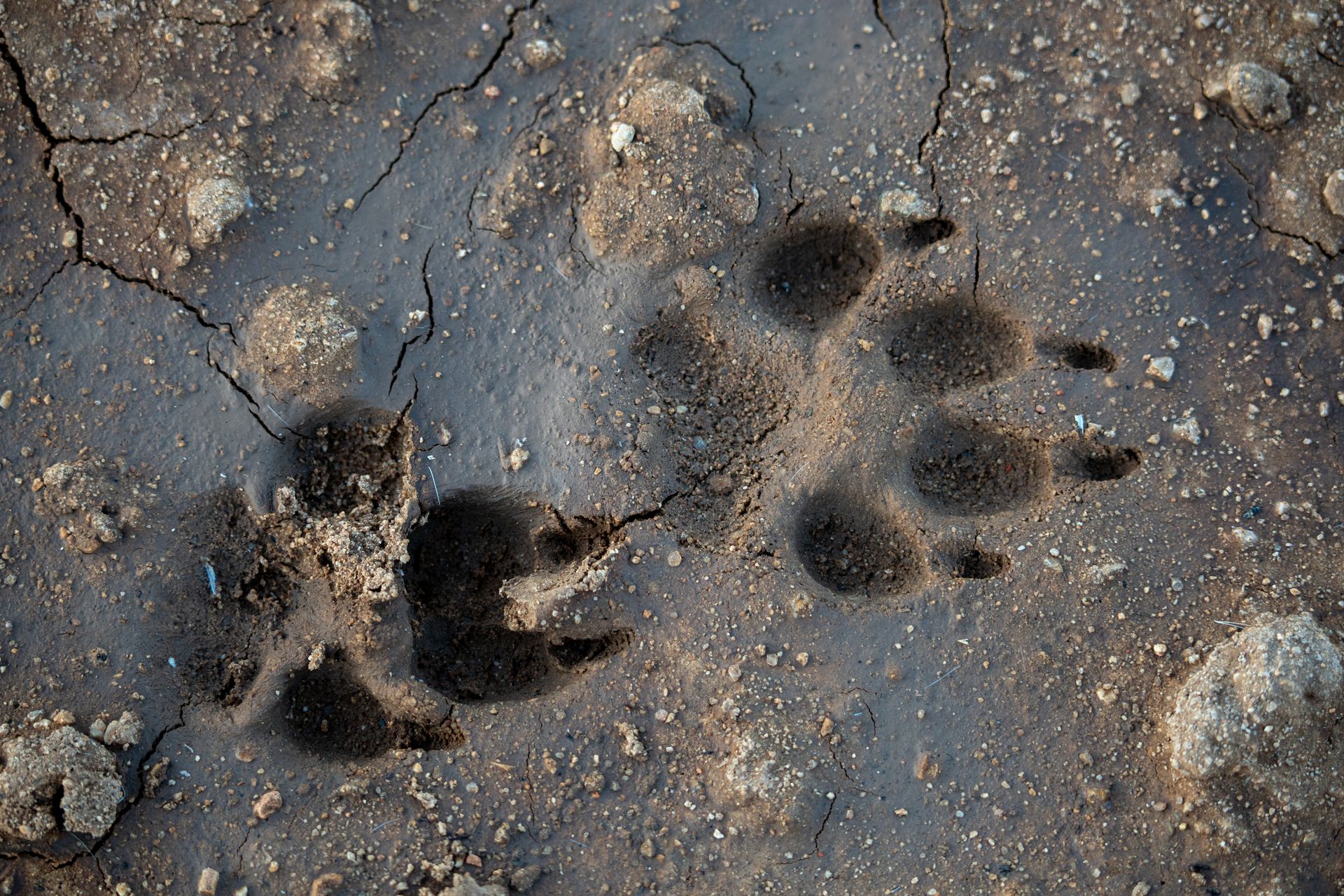
Light is the tracker's most important variable and the one most often ignored. A print invisible at midday becomes obvious in the raking light of early morning or late evening. Position yourself so the track sits between you and the light source, drop to a low angle, and look across the surface rather than down at it.
Determining when an animal passed is harder than determining what it was, and it is where tracking becomes genuinely useful in the field. Check edge crispness, debris fallen inside, rain pocking, and overnight frost. Make a fresh print alongside it and let both age together — that calibration teaches more than any amount of reading.
The animal is only the excuse. What tracking actually teaches is how to look at a landscape closely enough that it stops being scenery and starts being information.
The lasting reward is rarely the animal at the end of the trail. It is the shift in attention that comes from spending hours reading ground most people walk straight over. Trackers notice water sources, terrain funnels, and bedding areas, and start to understand a landscape as a system rather than a backdrop. Once you see it, no trail looks blank again.