

Accident reports describe a strikingly consistent set of causes year after year, and almost none involve equipment failure or bad luck. Modern ropes and hardware rarely break in normal use. What fails is the system around them: a knot never finished, a belay device threaded backwards, a rappel set up without a backup, a partner who assumed rather than checked.
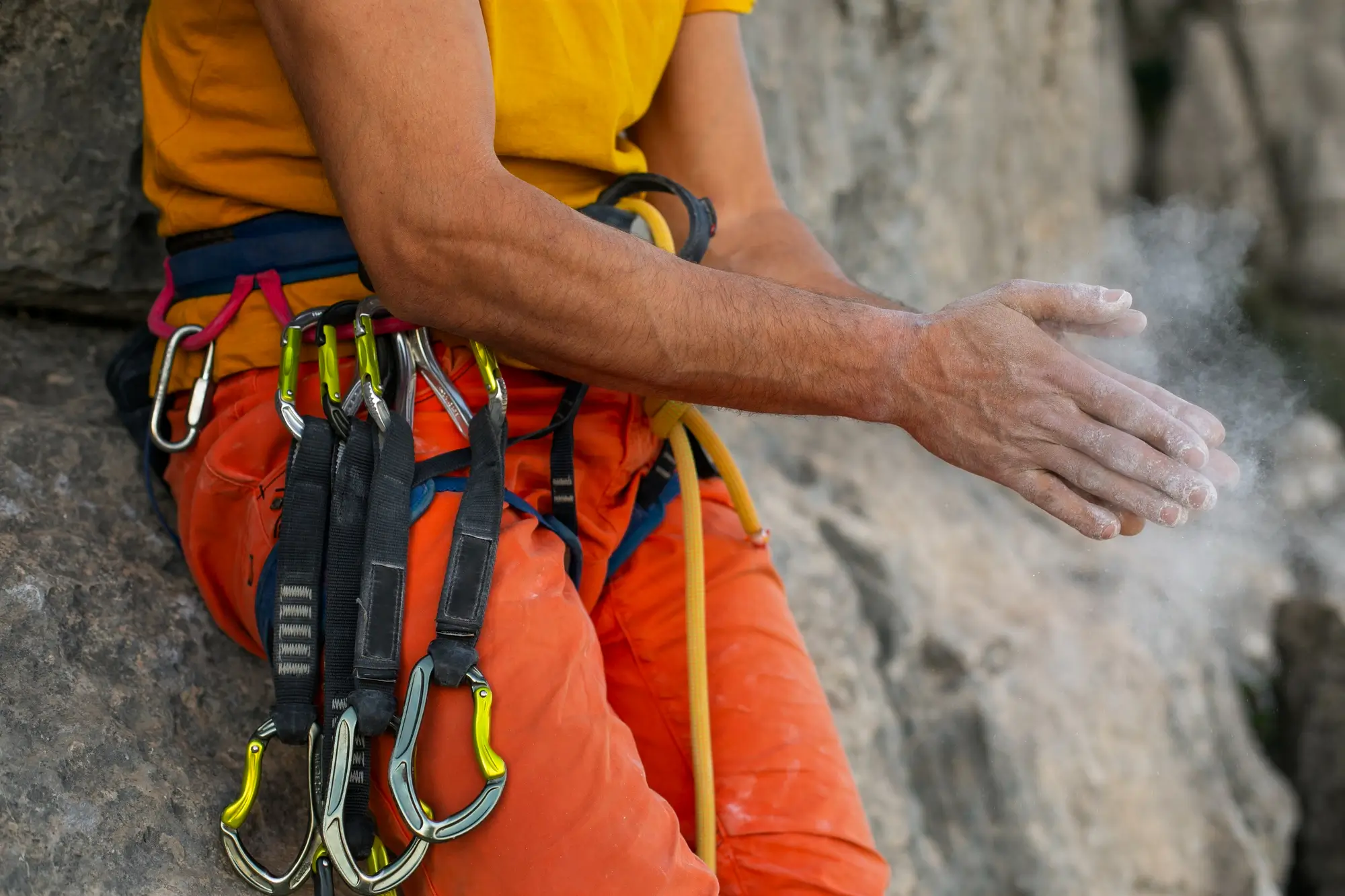
Thirty seconds of mutual verification before every climb catches the overwhelming majority of preventable accidents. Both climbers check both harnesses, both tie-ins, and both belay setups. The check has to be verbal and physical — pointing at and touching each element. A glance from three feet away reliably produces false confidence rather than information.
Never use a device you have not been taught on, and never assume it behaves like a similar-looking one. Assisted-braking devices are not automatic, and the brake hand never leaves the rope. The same applies to anchors. Understand why a system is redundant and equalised rather than copying a configuration you once saw someone else build.
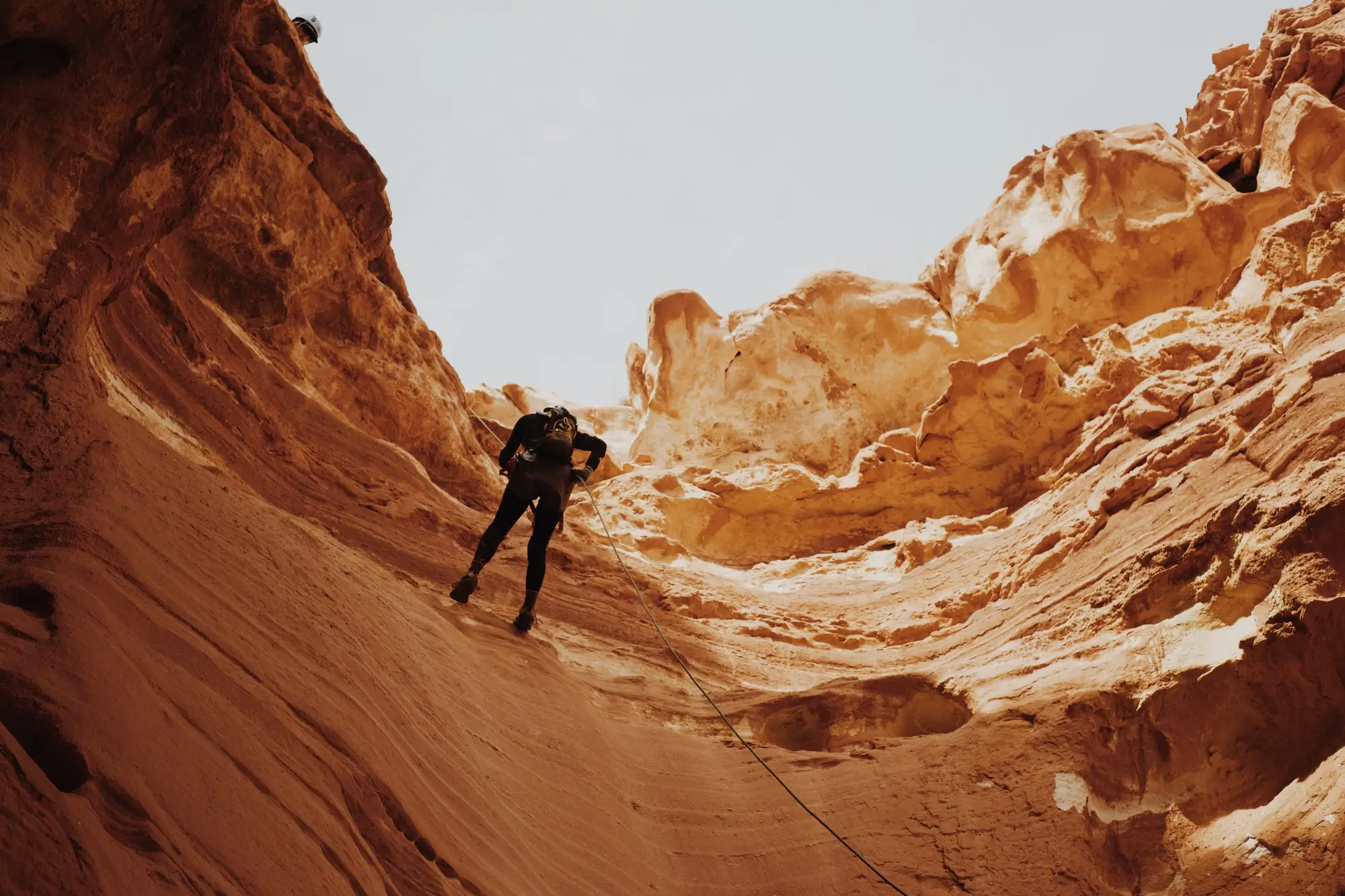
Falling is a skill, and practising it deliberately changes both safety and performance. Climbers who have never taken an intentional fall tend to grab gear, skip clips, or freeze. Start with short, low-consequence falls on overhanging terrain with an attentive belayer. Belayers need the same practice — soft catches, moving at the right instant, staying upright.
Standardised commands exist because ambiguity at the wrong moment has killed experienced climbers. Agree in advance on the exact words for taking, lowering, and going off belay. The informal communication matters as much: saying you are pumped, that the runout looks longer than expected, or that you would rather come down. Good partnerships make it easy to back off.
Gear does not keep you safe. A system does, and every system runs on two people checking each other every single time, including the times it feels unnecessary.
Physical ability plateaus and eventually declines, but judgement compounds for as long as you keep climbing. Loose blocks above your belayer, afternoon heat, a careless party overhead. Review each day afterwards — what went smoothly, what felt rushed, what you would set up differently. The climbers who last decades built good habits early and never let them slide.